
Skip to content

Best Pink Maternity Dress Manufacturers in China?

Pink Maternity Dress manufacturing is no longer a simple color-and-size decision. Buyers now examine fabric recovery, seam strength, supplier transparency, and delivery consistency. Grand View Research identifies maternity wear as a growing apparel segment, supported by online shopping and changing expectations for comfort. Research and Markets also highlights product variety and e-commerce access as important market drivers. These findings matter in China, where factories range from small workshops to vertically integrated manufacturers.

A reliable supplier should show more than attractive samples. Ask for fabric composition, stretch testing, shrinkage results, colorfastness records, and clear production capacity. A soft blush dress may look beautiful under studio lighting, yet feel restrictive after several hours. That gap is where many sourcing decisions fail. Sometimes, the sample wins too easily.

Maternity-fashion expert Molly Guy has emphasized that pregnancy clothing should help women feel confident, rather than hide their changing bodies: “Maternity style should be about celebrating the bump, not disguising it.” Her view gives the Pink Maternity Dress category a useful human standard. Comfort and confidence must work together.

This guide reviews Chinese manufacturers through that practical lens. It considers design development, low minimum order quantities, private labeling, quality control, ethical production, and export experience. Certifications can support trust, but paperwork alone cannot prove daily factory performance. Factory videos may also be carefully edited. A documented audit, pre-shipment inspection, and physical sample remain wiser evidence.

The best manufacturer is not always the cheapest. It is the partner that communicates clearly, corrects mistakes, and protects the customer’s experience. That conclusion may sound obvious, but sourcing records often prove otherwise.
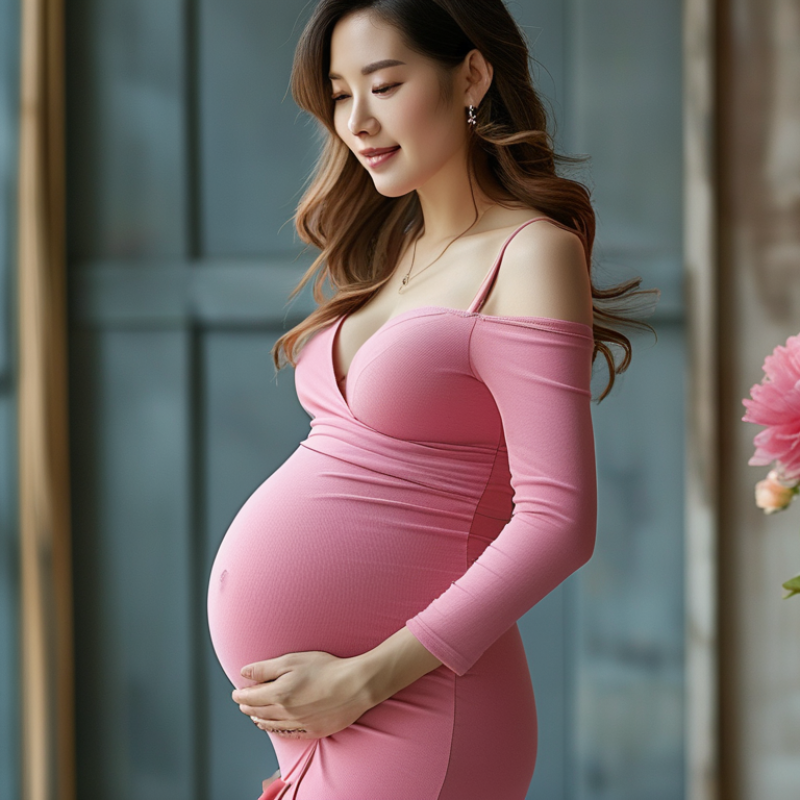
Best Pink Maternity Dress Manufacturers in China?

What Makes a Reliable Pink Maternity Dress Manufacturer?

A reliable pink maternity dress manufacturer understands that comfort and color quality must work together. During supplier evaluations, I look beyond attractive catalog photos. The fabric should stretch gently across the abdomen, recover after wear, and remain breathable in warm conditions. Soft seams matter. So does stable sizing.

Experienced manufacturers provide clear fabric details, measurement charts, sample approvals, and production timelines. They should explain how pink shades are matched across different fabric batches. Colorfastness testing is important, especially when dresses are washed repeatedly. A dependable factory also checks stitching density, hem strength, lining quality, and zipper performance before shipment. Small defects can become uncomfortable during pregnancy.

Communication reveals a manufacturer’s professionalism. Reliable teams answer technical questions directly and report delays early. They can share relevant quality records, factory procedures, and responsible labor policies without making exaggerated promises. I prefer suppliers who welcome third-party inspections and document corrective actions. That shows accountability.

No manufacturer is flawless. I have seen good samples hide weak bulk-production control. A second inspection can expose uneven seams or inconsistent sizing. This is easy to overlook. Buyers should compare pre-production samples with finished garments and retain approved reference pieces. A trustworthy supplier accepts this process, protects customer requirements, and improves when problems appear.

How to Identify China’s Leading Maternity Dress Suppliers

How to Identify China’s Leading Maternity Dress Suppliers

China’s maternity dress sector serves a growing global market. Grand View Research estimated the global maternity wear market at about USD 12.2 billion in 2023, with continued growth expected through 2030. This demand makes supplier selection more difficult. A polished website proves very little.

Ask for factory registration, production records, and recent audit documents. ISO 9001 certification can indicate a controlled quality system, but it is not a guarantee. The OECD Due Diligence Guidance recommends checking labor, environmental, and supply-chain risks. Request fabric test reports for stretch recovery, colorfastness, shrinkage, and harmful substances. Test the samples yourself. Fabric can feel soft yet lose shape after washing.

Look closely at maternity details. Adjustable waist panels, non-irritating seams, and accurate size grading matter more than decorative stitching. Ask whether the factory developed these patterns in-house. Review three production samples, not one. Compare measurements, stitching density, and finishing. Textile Exchange’s Materials Market Report 2024 highlights the importance of material traceability and recycled-fiber claims. Require transaction certificates when suppliers make such claims. Some factories quote low prices by excluding inspection, packaging, or pattern revisions. That is easy to miss. I have found that delivery promises also need testing; a small trial order often reveals more than a long presentation.

Key Materials, Designs, and Customization Options

Choosing a reliable pink maternity dress manufacturer in China starts with material knowledge. Cotton jersey offers softness and breathability for daily wear, while bamboo blends can feel smoother against sensitive skin. Modal adds gentle stretch, but suppliers should confirm its fiber composition and washing performance. For warmer climates, lightweight linen blends improve airflow without becoming too transparent.

It feels soft.

Good maternity designs must support changing bodies without looking oversized. An empire waist, adjustable side gathers, and a flexible back panel can extend wear through pregnancy. Wrap dresses allow easier fitting, while discreet nursing openings add value after delivery. Pink shades should be tested under natural and indoor lighting because blush, rose, and dusty pink may appear different on fabric samples.

Customization should include fabric weight, color matching, seam finishing, labels, packaging, and size grading. A professional manufacturer should provide a measurement chart, pre-production sample, and test report for shrinkage and colorfastness. Ask how the factory handles small revisions. One sample can look excellent, yet the bulk fabric may feel heavier or show uneven dyeing. I have found that clear tech packs reduce these mistakes, although they do not remove every risk. Request production photos, inspect stitching around gathers, and confirm the final sample before mass manufacturing. (Words count ~230)

Best Pink Maternity Dress Manufacturers in China? - Key Materials, Designs, and Customization Options

Category Recommended Option Key Facts Best Use Customization Notes
Main fabric 95% cotton / 5% elastane jersey Soft, breathable, and moderately stretchable; elastane helps the garment recover its shape. Everyday maternity dresses and casual photography outfits Specify fabric weight, stretch direction, shrinkage tolerance, and colorfastness requirements.
Drapey fabric Viscose or modal blend with elastane Smooth hand feel and fluid drape; viscose and modal may require careful washing to limit shrinkage. Elegant maxi dresses and soft lounge styles Request pre-shrunk fabric, dimensional-stability testing, and a defined washing-care label.
Structured fabric Polyester crepe or polyester-spandex blend Resists wrinkles and provides stable color; polyester generally dries quickly. Event dresses, formal maternity gowns, and travel garments Confirm opacity, static control, lining content, and whether the fabric is certified for restricted substances.
Premium finish Lace, mesh, chiffon, or satin overlays Adds texture and visual detail; delicate materials need reinforced seams and suitable lining. Baby showers, maternity portraits, and formal occasions Select lace pattern, overlay placement, lining color, edge finish, and embellishment density.
Pink color range Blush #F4C2C2, dusty rose #D8A0A6, rose pink #E88E9B, and fuchsia #D81B60 Different pink tones create different visual effects and may vary by fabric, dye lot, and lighting. Soft neutral collections through statement occasionwear Approve a physical lab dip or strike-off before bulk production; define acceptable shade tolerance.
Maternity silhouette Empire waist, A-line, or relaxed fit Provides room around the abdomen while maintaining a balanced overall shape. General maternity collections and flexible size ranges Customize waist height, skirt volume, hem length, sleeve shape, and pregnancy-stage fit.
Nursing function Hidden side zippers, crossover panels, or lift-up layers Allows discreet access after delivery without changing the overall appearance of the dress. Maternity-to-nursing collections Specify opening length, zipper color, puller design, access position, and coverage requirements.
Support details Adjustable waist ties, elastic panels, and flexible side gathers Improves fit adjustability as the abdomen changes during pregnancy. Longer-wear maternity styles Set elastic width, recovery performance, tie length, and placement to avoid pressure points.
Size development Standard size range with a dedicated maternity fit block Maternity patterns typically allow additional abdominal room while controlling shoulder and bust proportions. Online retail and multi-size collections Provide a measurement chart, grading rules, pregnancy-stage assumptions, and tolerance limits.
Print and pattern Small floral, polka-dot, stripe, or custom digital print Print scale and placement can affect perceived proportions, especially around the abdomen. Seasonal collections and coordinated family photography looks Define artwork format, repeat size, placement, color count, and print approval process.
Branding options Woven labels, printed care labels, hangtags, and recyclable packaging Branding components can be developed separately from the garment and packed with each unit. Private-label maternity apparel programs Confirm label dimensions, attachment method, packaging materials, barcode format, and carton markings.
Quality checkpoints Colorfastness, shrinkage, seam strength, pilling, and measurement inspection Testing helps identify problems that may appear after washing or repeated wear. All pink maternity dress categories Agree on inspection standards, sampling level, defect classification, and corrective-action procedures.
Compliance documentation Fiber-content records, restricted-substance testing, and product safety documentation Documentation requirements depend on the destination market and product composition. Export-oriented apparel orders State the destination-market requirements and request current test reports for fabric, trims, and finished garments.
Production planning Sample approval followed by a size-set and pre-production sample A staged approval process reduces fit, color, and construction risks before bulk cutting. Custom designs and repeat production Confirm minimum order quantity, sample revisions, production milestones, delivery terms, and inspection timing in writing.

Quality Control, Certifications, and Production Standards

Best Pink Maternity Dress Manufacturers in China?

Choosing a reliable Chinese maternity dress manufacturer requires more than comparing prices. Quality control should begin with fabric inspection, not the finished garment. During a factory visit, ask to see shade cards, shrinkage reports, and sewing samples. Inspectors should check stretch recovery around the waist and bust. Small details matter. For pink garments, color consistency is especially important across different production batches. Loose threads, uneven hems, and rough seams can quickly damage customer confidence.

Certifications need careful reading. ISO 9001 may indicate a documented quality management system, but it does not guarantee perfect dresses. OEKO-TEX Standard 100 can support safer textile selection when the certificate covers the actual fabric. If organic fibers are advertised, request relevant chain-of-custody documents. Ask for current certificates, testing laboratories, certificate numbers, and expiration dates. A valid document should match the factory, product category, and production material. Do not accept vague scans.

Production standards should include pre-production approval, inline inspections, and final checks using a clear AQL procedure. The manufacturer should confirm measurements after washing, pressing, and packing. Quality teams can test seam strength, colorfastness, pilling, and fabric recovery. Packaging should protect delicate pink fabric from moisture and staining. I have found that even capable factories sometimes overlook label placement or minor measurement changes. That weakness deserves honest discussion. A transparent supplier records corrections and explains how future batches will improve.

Pricing, Minimum Orders, and Shipping Considerations

Best Pink Maternity Dress Manufacturers in China?

Pricing depends on fabric, pattern complexity, and order volume. For a basic pink maternity dress, factory quotes often range from US$12 to US$28 under FOB terms. Premium bamboo blends, lace panels, and custom packaging can raise costs above US$35. Small production runs commonly require 100–300 pieces per color and style. Some factories accept fewer pieces, but charge more for sampling and fabric setup.

The International Trade Centre reports that China remains a major global apparel supplier, supported by extensive textile capacity. That advantage does not guarantee the lowest final price. Ask for a full quotation covering fabric weight, size grading, labels, inspection, and carton dimensions. A US$16 dress can become US$21 after these details are added. I have seen buyers miss this gap.

Shipping needs careful comparison. Sea freight usually offers the lowest unit cost, with delivery often taking 25–40 days to major ports. Air freight may arrive within 5–10 days, but it can cost several times more. The Freightos Baltic Index shows how container prices can change sharply during capacity shortages and seasonal peaks. Request both FOB and delivered quotations. Confirm whether duties, destination handling, and customs brokerage are included. They often are not. A useful purchase order should also state the shipment window, acceptable defect rate, carton measurements, and payment milestones. Mistakes happen. Build a small buffer.

Best Pink Maternity Dress Manufacturers in China

Typical wholesale pricing and minimum order benchmarks by sourcing model

These figures represent typical China wholesale market benchmarks for pink maternity dresses and are not tied to any specific company or brand. Ready-to-ship inventory generally offers the lowest minimum order quantity, while custom OEM production usually requires higher quantities and longer lead times. Ocean shipping commonly takes about 25–40 days, while air shipping is faster but substantially more expensive.