
Skip to content

China Top 10 Baseball Cap Manufacturers for Global Buyers?

Buying a Baseball Cap from China involves more than comparing factory prices. Global buyers need consistent stitching, accurate sizing, dependable materials, and clear communication. This guide examines ten leading Chinese manufacturers serving international customers. It focuses on practical sourcing factors, not attractive promises alone.

The selection considers production experience, customization ability, fabric options, embroidery quality, sampling procedures, and export support. Cotton twill, recycled polyester, washed canvas, and mesh panels each create different wearing experiences. Small details matter. A curved brim should hold its shape. Eyelets should remain secure after repeated use. Logos should match approved artwork and thread colors.

The guide also reviews minimum order quantities, lead times, packaging, inspection practices, and buyer feedback. These details can affect budgets and launch schedules more than the quoted unit price. Certifications and factory documentation deserve careful verification. A polished website is not enough evidence.

Some manufacturers may suit promotional campaigns, while others handle premium retail collections. The best choice depends on volume, design complexity, target market, and delivery expectations. No ranking stays perfect forever. Factory capabilities, material costs, and service teams can change. Buyers should request current samples and written specifications before placing an order. My own sourcing experience suggests that early, specific questions prevent many later problems. Still, mistakes happen, especially when artwork or measurements remain unclear. This overview offers a reliable starting point, while final decisions should follow direct checks and realistic production discussions.
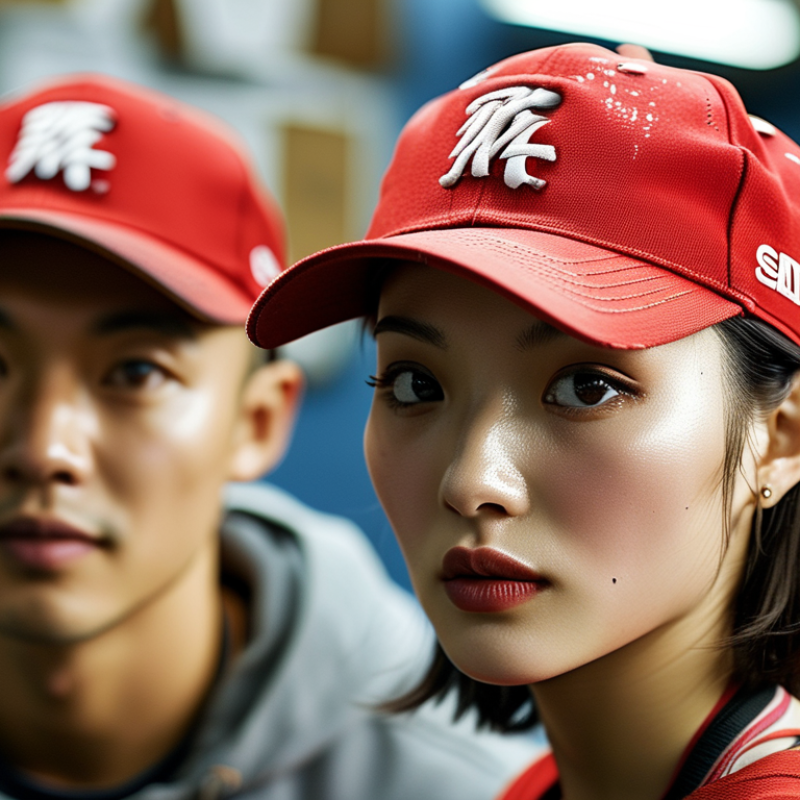
China Top 10 Baseball Cap Manufacturers for Global Buyers?

China’s Baseball Cap Manufacturing Industry and Global Market Role

China’s baseball cap manufacturing industry supports a broad global supply network. The WTO World Trade Statistical Review 2024 reported that China represented 14.2% of global merchandise exports in 2023. UN Comtrade data for HS 6505 also places China among the leading exporters of textile headgear. These figures reflect more than factory volume. They show strong access to fabric mills, embroidery workshops, mold suppliers, and international shipping services.

Grand View Research estimated the global headwear market at about USD 26.5 billion in 2023. It expects continued growth through 2030, supported by sportswear, outdoor use, and online retail. Chinese manufacturers serve these segments with cotton twill, recycled polyester, mesh panels, and structured front crowns. Experienced buyers should inspect stitch density, sweatband attachment, visor symmetry, colorfastness, and carton strength. A sample may look excellent under showroom lighting. Production can still vary.

The industry is efficient, but not flawless. Smaller orders may receive less production attention during peak seasons. Size grading can also differ between factories. Some suppliers communicate well but lack consistent inspection records. Others offer strong quality control but limited design flexibility. Buyers should request pre-production samples, measurable tolerances, and batch inspection photos. Price alone is a weak decision tool. That lesson is easy to miss.

How to Evaluate Reliable Chinese Baseball Cap Manufacturers

How to Evaluate Reliable Chinese Baseball Cap Manufacturers

A reliable Chinese baseball cap manufacturer should provide more than attractive product photos. Ask for factory details, production capacity, worker training, and quality control records. A video tour helps, but an in-person audit gives stronger evidence. Check whether cutting, sewing, embroidery, and packing occur under one roof.

Request samples in the exact fabric, color, and construction you need. Examine the crown shape, seam alignment, sweatband, eyelets, and visor recovery after bending. Measure the fabric weight and compare every sample with the approved specification. Small differences can become expensive at scale. I have found that loose threads often reveal weak final inspection.

Review the manufacturer’s communication before placing a large order. Clear replies, realistic lead times, and written inspection standards matter. Ask how defects are recorded and corrected. Confirm their ability to meet destination-market labeling and product requirements. Relevant test reports should be current and traceable. Do not rely only on a low quotation; unusually cheap pricing may hide thinner fabric or rushed stitching.

A dependable supplier should explain minimum order quantities, sample fees, packaging, and production milestones without pressure. Request references from comparable buyers when available. No factory is perfect. Even a promising supplier may miss a detail during a busy season. Start with a controlled order, inspect randomly, and keep every approved measurement in writing.

Top 10 Baseball Cap Manufacturers in China for International Buyers

Top 10 Baseball Cap Manufacturers in China for International Buyers

International buyers should assess China’s top ten baseball cap manufacturers through evidence, not attractive catalogs. Experienced suppliers usually explain fabric weight, panel construction, stitching density, closure types, and embroidery limits clearly. A reliable factory can provide product samples, production photos, inspection records, and export documentation without hesitation.

Samples reveal more. Check the crown shape after washing, the sweatband’s comfort, and the brim’s recovery after bending. Ask for evidence. Confirm whether cotton, recycled polyester, or blended fabric matches the approved specification. Small details matter, especially thread tension, ventilation eyelets, inner taping, and color consistency under daylight. Manufacturers serving overseas buyers should also understand packaging marks, labeling requirements, shipping schedules, and destination-market compliance.

Factory visits or independent audits can reveal production capacity and quality controls. Look for cutting accuracy, sewing-line organization, needle management, and final inspection procedures. A clear process reduces costly surprises during large orders. However, no factory is perfect. A polished showroom may hide weak subcontracting controls, while a modest workshop may deliver careful workmanship. That judgment requires questions, records, and repeat sampling.

Pricing deserves careful review. The lowest quotation may exclude mold fees, custom packaging, inspection costs, or realistic delivery time. Request a detailed quotation with material grades and acceptable tolerances. Production communication also matters; unclear revisions often create avoidable defects. International buyers should compare ten manufacturers using the same checklist, then select the supplier offering consistent quality, transparent communication, and practical capacity rather than impressive promises alone.

Comparing Product Quality, Customization, Pricing, and Production Capacity

China Top 10 Baseball Cap Manufacturers for Global Buyers?

A reliable comparison should begin with measurable quality, not factory photographs. Grand View Research valued the global headwear market at approximately USD 26.5 billion in 2023. This growth increases pressure on Chinese manufacturers to control stitching, fabric shrinkage, sweatband comfort, and color consistency. I usually request pre-production samples, wash tests, and carton-drop records. Small details matter. A curved brim should return to shape after packing. Embroidery must remain clean at close range. These checks reveal more than a sales presentation.

Customization separates capable factories from simple trading companies. Buyers should compare fabric libraries, mold availability, logo methods, size grading, and sample lead times. Recycled polyester represented about 12% of global fiber production in 2023, according to Textile Exchange’s 2024 Materials Market Report. Therefore, material claims need transaction records, not vague sustainability language. Pricing also requires a full-cost view. Compare tooling, sampling, packaging, inspection, and shipping separately. The lowest quotation can hide weaker fabric or higher defect rates. Production capacity deserves similar caution. Ask for monthly output by cap type, not one impressive total. USDA forecasts placed global cotton production near 116.9 million 480-pound bales in 2024/25, yet cotton availability does not guarantee stable cap quality. A factory may handle 100,000 units monthly, but only 20,000 customized caps with dependable delivery. That distinction is easy to miss. A practical scorecard should weigh defect rate, customization range, verified capacity, price transparency, and communication records. Even then, rankings remain imperfect. Real performance changes with season, fabric supply, and order complexity.

China Top 10 Baseball Cap Manufacturers for Global Buyers

Comparing product quality, customization, pricing, and production capacity

This aggregated benchmark uses a 0–100 comparative index based on commonly disclosed supplier capabilities, including material options, customization scope, quoted price competitiveness, and reported manufacturing scale. Higher scores indicate stronger performance for global buyers; the figures are indicative and should be verified through samples, audits, and quotations.

How Global Buyers Can Verify Suppliers and Place Orders Safely

China Top 10 Baseball Cap Manufacturers for Global Buyers?

The global headwear market was valued at about USD 22.9 billion in 2023, according to Grand View Research. This growth attracts many new suppliers, but a polished website proves little. Ask each manufacturer for its legal registration, factory address, export history, and recent production photos. Verify the details through independent business databases and trade records. A live video tour helps. It is not perfect.

Request a physical sample before discussing mass production. Check stitching density, sweatband attachment, fabric weight, color consistency, and closure strength. Compare the sample with the approved specification sheet. Use ISO 2859-1 acceptance sampling for larger orders, and agree on inspection levels before production starts. An independent pre-shipment inspection should confirm quantity, measurements, packaging, and visible defects. Keep photos and signed records.

Protect payment through a written contract and a proforma invoice. Confirm the beneficiary name matches the contracted company. Never rely only on instant messages. Define delivery terms, tolerance limits, replacement duties, and dispute procedures. Trade Map data from the International Trade Centre can help compare export patterns and destination markets. However, trade data may be delayed or incomplete. That weakness matters. Start with a small trial order, test customs documents, and review the final goods before repeating the purchase.

China Top 10 Baseball Cap Manufacturers for Global Buyers? - How Global Buyers Can Verify Suppliers and Place Orders Safely
No. Verification Dimension Information to Request Evidence to Check Safer Ordering Benchmark Warning Sign
1 Legal Identity Ask for the supplier's registered Chinese legal name, business address, legal representative, and Unified Social Credit Code. Business license and registration details that can be checked through China's National Enterprise Credit Information Publicity System. Verified
All contract, invoice, and payment-party details should identify the same legal entity.
High risk
Payment requested by an unrelated individual or company.
2 Manufacturing Capability Request the production process, monthly capacity range, equipment list, number of sewing lines, and current production schedule. Live video factory tour, dated production photographs, facility address, and a process map covering cutting, sewing, finishing, and inspection. Evidence-based
Capacity claims should match the visible equipment and proposed delivery schedule.
High risk
Only a trading-office address is provided while factory evidence is unavailable.
3 Product Specifications Confirm crown construction, panel count, visor material, closure type, fabric composition, embroidery method, color standard, and size tolerance. Approved technical specification sheet, measurement chart, material swatches, and a signed pre-production sample. Approved sample
Mass production should follow the approved specification rather than informal chat messages.
High risk
Price is quoted before key specifications are defined.
4 Material Traceability Request fabric composition, supplier information for key materials, color references, and any required recycled or organic-content documentation. Fabric test reports, transaction records, material certificates where applicable, and a lot or batch identification method. Documented
Material claims should be supported by documents from recognized testing or certification bodies when required.
High risk
“100% cotton,” recycled-content, or organic claims cannot be documented.
5 Quality Control Agree on inspection stages, workmanship standards, measurement tolerances, defect classification, and the acceptance procedure. Quality-control checklist, inspection records, defect photographs, and a written quality clause in the purchase order. Written criteria
Use a pre-shipment inspection before releasing the balance for a first order.
High risk
“Standard quality” is used without measurable acceptance criteria.
6 Compliance Testing Identify destination-market requirements for restricted substances, product safety, labeling, packaging, and social compliance. Applicable laboratory reports, factory audit reports, corrective-action records, and destination-specific labeling samples. Market-specific
Testing and labeling should be selected according to the importing country and product claims.
High risk
One generic certificate is presented as proof of compliance for every market.
7 Minimum Order Quantity Request MOQ by style, color, size, embroidery design, and packaging option, together with sample and setup charges. Formal quotation showing unit price breaks, tooling or digitizing fees, sampling fees, and the validity period of the offer. Comparable quote
Compare quotations using the same specifications, quantities, shipping terms, and packaging requirements.
High risk
A very low headline price excludes setup, packaging, inspection, or shipping costs.
8 Lead Time Planning Confirm sample lead time, production lead time, inspection window, export preparation, and estimated transit time. Order schedule with milestone dates for sample approval, material booking, bulk production, inspection, and shipment. Milestone-based
Allow additional time for sample revisions, public holidays, port delays, and inspection corrections.
High risk
Delivery is promised only as a number of days after payment without milestones.
9 Contract and Incoterms Define product specifications, quantity, price, currency, delivery term, named place, packaging, inspection rights, and remedies for non-conformity. Signed purchase order or sales contract using a clearly stated Incoterms® rule and named location, such as FOB Ningbo or DAP London. Clear allocation
Both parties should understand who handles freight, insurance, customs clearance, duties, and import taxes.
High risk
“Shipping included” is quoted without a defined delivery term or destination point.
10 Payment and Shipment Protection Agree on deposit, balance, payment channel, refund conditions, inspection release, shipping documents, and dispute process. Proforma invoice, bank-account verification, purchase contract, inspection report, commercial invoice, packing list, and transport document. Controlled release
For an initial order, use a traceable business payment channel and tie final payment to agreed inspection evidence.
High risk
Urgent requests for payment to a newly changed account or pressure to bypass inspection.