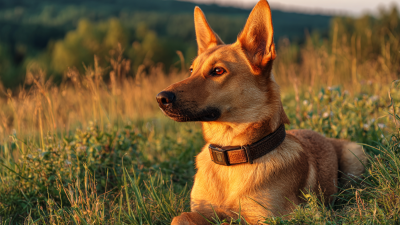
| Smooth Single Coat |
Short, close-lying hairs with little or no insulating undercoat. The coat usually feels sleek and lies flat against the body. |
Dalmatian, Greyhound, Whippet, and some terrier types |
Quick to brush, dries rapidly after bathing, and is less likely to mat or tangle. |
Provides limited protection from cold and wet weather. Short hairs may still shed noticeably on furniture and clothing. |
Use a soft-bristle brush, rubber grooming mitt, or grooming curry once or twice weekly. Provide warmth in cold conditions. |
Low |
| Short Double Coat |
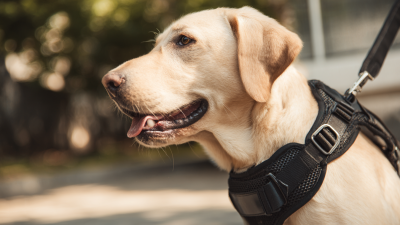
Has a short outer coat over a softer, denser undercoat. Seasonal shedding is often more noticeable than with a single coat. |
Labrador Retriever, Beagle, Rottweiler, and German Shorthaired Pointer |
Offers better insulation than a single coat while remaining relatively easy to maintain. |
Can shed heavily during seasonal coat changes. The undercoat may trap loose hair and skin debris. |
Brush two or three times weekly, increasing frequency during heavy shedding periods. Check the skin after outdoor activities. |
Low to Moderate |
| Short Dense Coat |
Very compact, close-fitting hairs that create a smooth, firm surface. The coat may feel thick even when the hair is short. |
Boxer, American Staffordshire Terrier, and some mastiff types |
Generally easy to clean, resistant to minor debris, and less prone to tangling. |
Loose hairs can be stiff and difficult to remove from fabric. Thinly coated areas may be vulnerable to sun and cold. |
Use a rubber mitt or soft brush weekly. Inspect folds, elbows, and areas exposed to rubbing for irritation. |
Low |
| Short Bristly Coat |
Short, somewhat stiff hairs that stand away slightly from the body and create a rougher texture than a smooth coat. |
Some Dachshunds, Rat Terriers, and short-coated mixed-breed dogs |
Usually dries quickly and rarely forms large mats. The bristly texture can help shed light dirt. |
May feel coarse and can still release short hairs throughout the year. Skin may be more visible between hairs. |
Brush weekly with a soft or rubber tool. Avoid aggressive stripping or harsh brushing unless advised by a professional groomer. |
Low |
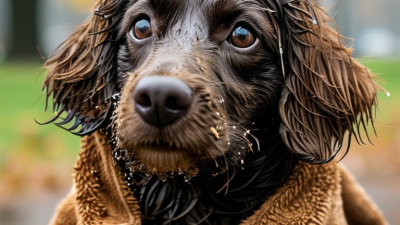
| Short Coat with Sparse Feathering |
The body hair is short, while slightly longer hair may appear around the tail, ears, legs, or underside. |
Some spaniel crosses, hound types, and mixed-breed dogs |
Requires less grooming than a fully long-coated dog while retaining a modest amount of decorative feathering. |
Longer areas can collect burrs and may tangle more easily than the rest of the coat. |
Brush the body weekly and check feathered areas after walks. Remove debris gently before it tightens into tangles. |
Low to Moderate |
| Short Coat with Skin Folds |
Short hair is combined with loose or folded skin, especially around the face, neck, shoulders, or tail region. |
Some bulldog, mastiff, and shar-pei-type dogs |
The hair itself is easy to brush and usually does not mat easily. |
Moisture, heat, and debris can collect in folds, increasing the risk of irritation or unpleasant odor. |
Inspect folds regularly, keep them clean and dry, and seek veterinary advice for persistent redness, odor, discharge, or discomfort. |
Moderate |
| Very Short or Minimal Coat |
Hair is exceptionally short and close to the skin, with limited coverage on some parts of the body. |
Some sighthounds and hairless or nearly hairless varieties |
Fast and simple routine grooming with little risk of matting. |
Reduced protection from cold, wind, abrasions, and intense sunlight. Skin problems may be easier to notice but can develop quickly. |
Use gentle wiping or brushing, protect the dog from extreme weather, and discuss safe sun protection with a veterinarian when needed. |
Low Grooming, Higher Protection Needs |