Pallet Storage Systems Tips for Efficient Warehouse Management?
Efficient warehouse management is crucial for businesses aiming to streamline operations. One key component to achieving this efficiency is the effective use of Pallet Storage Systems. These systems help maximize space, improve accessibility, and enhance inventory control. When implemented correctly, they can significantly reduce operational costs.
However, many warehouses struggle with optimizing these systems. This often leads to wasted space and increased time spent retrieving items. The layout of Pallet Storage Systems must be carefully considered. Factors such as pallet height, aisle width, and load weight play a vital role in overall efficiency.
In addressing these challenges, warehouse managers should regularly assess their Pallet Storage Systems. Continuous training can aid staff in utilizing these systems effectively. Reflecting on previous inefficiencies can guide improvements in future operations. By focusing on these details, businesses can enhance their warehouse performance and ensure productive outcomes.
Understanding Pallet Storage Systems: An Overview
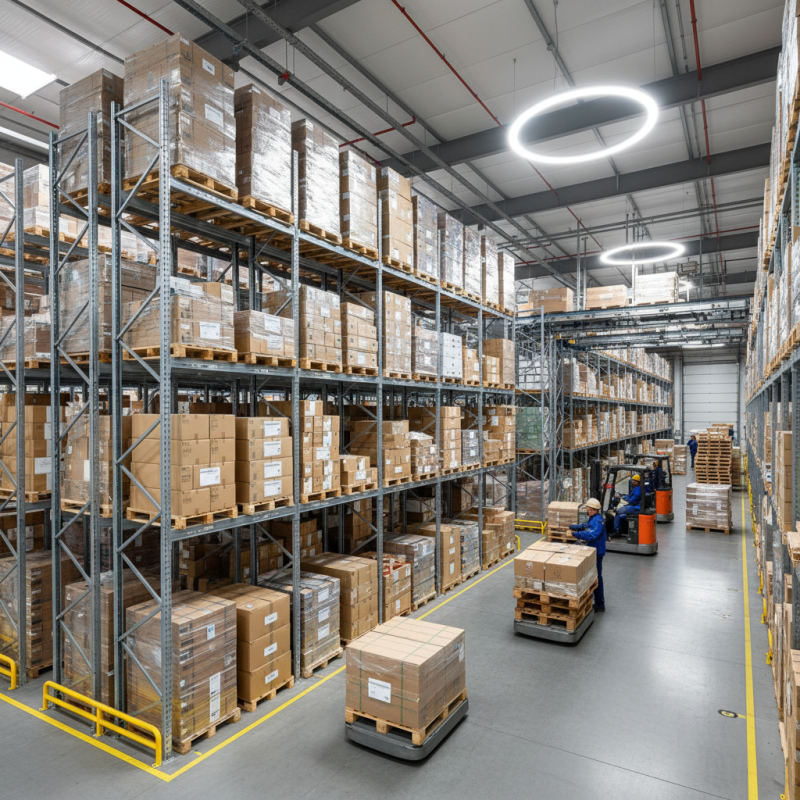
Pallet storage systems play a vital role in warehouse management. These systems maximize space and enhance organization. By using pallets, warehouses can stack goods effectively. Different systems exist, including selective, drive-in, and pallet flow. Each has its advantages and suitable applications.
Understanding the layout is crucial. The right design improves accessibility. For example, selective racking allows easy access to various items. Conversely, drive-in systems save space but require careful management. These choices impact workflow and efficiency.
Implementing a pallet system isn’t without challenges. Workers need training to handle equipment safely. Regular inspections are necessary to maintain safety standards. Analyzing how the system performs can reveal areas for improvement. Keeping track of inventory also requires ongoing adjustments. Balancing efficiency with safety is a continuous process.
Types of Pallet Storage Systems: Selective, Drive-In, and More
When considering pallet storage systems, three main types stand out: selective, drive-in, and push-back systems. Selective storage allows easy access to any pallet. This type is often seen in facilities with diverse inventory. It offers flexibility and is commonly implemented in many warehouses. However, the downside is that it can occupy more space. Balancing accessibility with space efficiency can be a challenge.
Drive-in systems, on the other hand, use a unique approach. They allow pallets to be stored in deeper rows, increasing density. However, this comes at the cost of accessibility. If a product is buried deep within the system, it can take time to retrieve it. This method is efficient for high-turnover items but requires careful inventory management. Ensuring that the right items are accessible is crucial.
Push-back storage systems offer a blend of both worlds. This method allows pallets to be stored on tracks that slide back. It maximizes storage efficiency while still providing a reasonable level of access. Yet, the system can be complex and may require specialized training. Organizations must weigh the benefits against the learning curve involved. Each system has its pros and cons, and the best choice depends on specific warehouse needs and inventory strategies.
Optimizing Space: Strategies for Efficient Warehouse Layout
Efficient warehouse layout is critical for optimizing space in modern operations. According to a report by the Warehousing Education and Research Council, optimizing warehouse space can increase storage capacity by up to 30%. A well-planned layout reduces wasted space, enhancing productivity. Companies are embracing vertical storage solutions. Utilizing vertical clearances maximizes space without significant structural changes.
One common challenge is the balance between accessibility and density. A high-density layout can improve storage but may hinder access to frequently used items. Finding the right mix is essential. Experts recommend a zoning method, placing high-demand items closer to packing areas. This can improve picking efficiency by more than 25%, as studies show. Clear signage and organized aisles also play a vital role in streamlining processes.
Regular assessments of the warehouse layout can highlight inefficiencies. Technology, like layout simulation software, allows for informed decisions about space utilization. In fact, many companies report a decrease in operational costs by up to 15% after re-evaluating their layouts. The goal is an adaptable system that evolves with changing inventory needs. Flexibility should be a priority in any warehouse design strategy.
Maintenance Practices for Pallet Storage Systems
Pallet storage systems are essential in maximizing warehouse efficiency. Maintenance practices for these systems play a crucial role in ensuring smooth operations. A well-maintained pallet system reduces downtime and enhances safety.
Regular inspections are vital. Check for signs of wear and tear on pallets and racks. Replace damaged items immediately. This simple step can prevent accidents and ensure product safety. Additionally, keep the storage area clean. Debris can hinder accessibility and create hazards.
Implementing a routine maintenance schedule can be beneficial. This keeps equipment functioning optimally. For example, lubricate moving parts to prevent friction. Monitor weight limits to avoid overloading pallets. Create an environment where employees are encouraged to report issues. Such practices foster a culture of safety.
Efficiency in pallet storage goes hand in hand with good maintenance. Pay attention to detail; it truly matters. A small oversight can lead to larger problems. Keep learning from past experiences to improve practices. Make maintenance a priority, not an afterthought.
Pallet Storage Systems Maintenance Practices
Safety Considerations in Pallet Storage Management
In warehouse management, safety is paramount, especially when it comes to pallet storage systems. According to the National Safety Council, falls account for 27% of workplace injuries. A crucial factor is ensuring that pallets are stored securely, avoiding overloading that can lead to hazardous conditions. Proper stacking techniques can significantly reduce risk. Research suggests that properly stacked pallets can lower accidents by 25%.
When implementing pallet storage systems, consider clear pathways for workers. Aisles should be wide enough to accommodate equipment and personnel. Furthermore, ensure that loads are within safe height limits. Studies indicate that about 30% of pallet-related injuries are due to improperly stacked items. Regular safety audits are essential to identify potential risks and improve safety protocols.
Tips for enhancing safety include conducting routine inspections of pallet conditions. Look for damages like splinters or broken boards, as these can be points of failure. Workers should receive training on safe handling practices. Communication is key; employees must feel empowered to report unsafe conditions. Lastly, employing safety barriers and warning signs can significantly enhance the overall safety in the storage area.

