How to Choose the Best Hydrolyzed Whey Protein Powder
Choosing a Hydrolyzed Whey Protein Powder can feel simple until you face a shelf of tubs promising rapid absorption, easy digestion, and faster recovery. The label may show “hydrolyzed,” but that word alone does not tell you how much protein each scoop provides, what sweeteners it contains, or whether the product suits your routine. A scoop mixed in a shaker should be convenient, not a chemistry puzzle.
Sports nutrition researcher Dr. Stuart Phillips has emphasized that total daily protein intake matters more than focusing on one supplement. That perspective helps keep the decision grounded: hydrolyzed whey is one option, not a shortcut around balanced meals or consistent training. Product claims also deserve a careful look. Research findings do not guarantee the same results for every person, and faster digestion does not automatically mean better outcomes.
This guide looks at the practical details: protein per serving, ingredient transparency, taste, price, and independent quality testing. It also considers when hydrolyzed whey may be useful, such as when convenience matters after exercise, and when a less processed protein may be adequate. Small details count. A chalky texture can leave an expensive tub untouched. I would not choose by marketing claims alone; even a tidy label can leave questions unanswered.
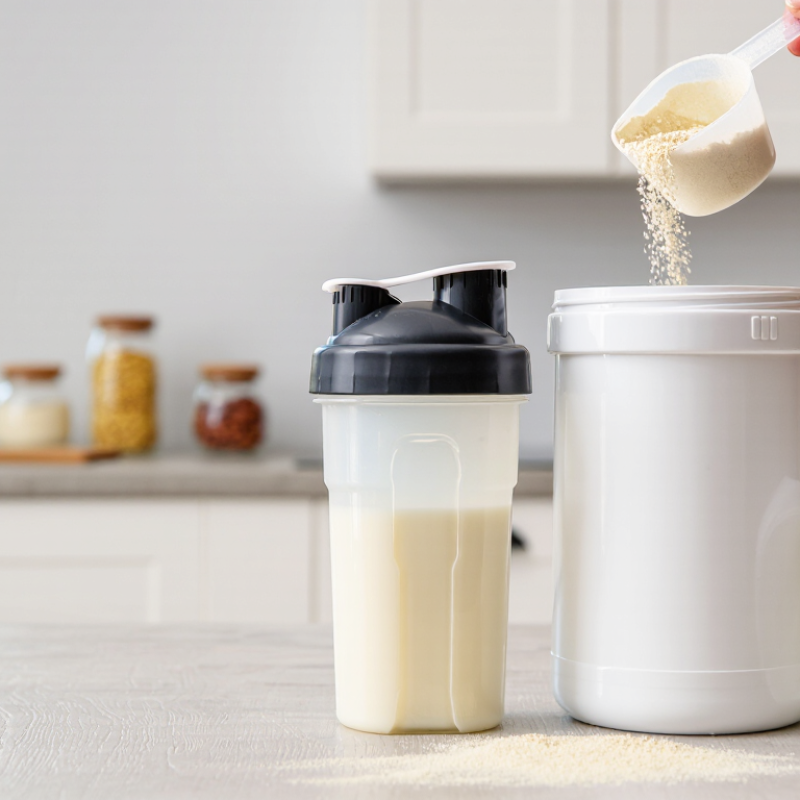
What Hydrolyzed Whey Protein Powder Is and How It Is Made
Hydrolyzed Whey Protein starts as whey, the liquid separated from milk during cheese-making. Whey supplies roughly 20% of milk’s protein, while casein provides most of the rest, according to the U.S. Dairy Export Council’s Dairy Ingredient Guide. Hydrolyzed whey is not a separate protein source; it is whey protein treated to break some proteins into smaller peptides.
Manufacturers typically dissolve whey concentrate or isolate, then add food-grade enzymes that cut protein chains. They stop the reaction at a chosen level, deactivate the enzymes, and may filter and dry the mixture into powder. The degree of hydrolysis varies. More processing does not automatically mean better nutrition or faster recovery. Research published in the Journal of Dairy Science describes how hydrolysis can alter whey’s functional properties, including solubility and taste. Some powders taste bitter. That detail matters at the kitchen counter, not just on a lab report.
Tips: Check the ingredient list for the whey source and added ingredients. Ask for testing information, such as protein content and contaminant screening. “Hydrolyzed” alone tells you little about how extensively the protein was broken down. A useful label, perhaps, but not a full explanation.
How to Match a Protein Powder to Your Dietary Needs
Choosing a hydrolyzed whey powder starts with your actual dietary needs, not the word “hydrolyzed” on the tub. This processing breaks protein into smaller peptides, but it does not guarantee a lactose-free product. If lactose causes symptoms, check the nutrition panel and allergen statement, then ask the manufacturer about remaining lactose when details are unclear. Whey is milk-derived, so it is not suitable for someone with a milk allergy.
Consider what else is in the serving. A flavored powder may contain sweeteners, sugar alcohols, or added ingredients that do not agree with you. Check serving size, protein per scoop, and calories against your usual meals. If you avoid certain ingredients for medical reasons, confirm suitability with a qualified clinician or dietitian. The label can be easy to skim too quickly.
Match the powder to when and how you plan to use it. A scoop blended with water after training may suit someone who wants a quick option; mixed into oatmeal, it may need more liquid to avoid a thick texture. If you follow a restricted diet, verify every ingredient rather than relying on front-label claims. Hydrolyzed whey is still a dairy protein, not a universal fit. I still find ingredient lists surprisingly easy to overlook. Start with a small serving if the product is appropriate for you, and notice how your digestion responds.
Which Ingredients and Nutrition Details to Compare
When comparing hydrolyzed whey protein powders, read the ingredient list, not just the front label. Hydrolysis breaks some proteins into smaller peptides, but the degree of processing can vary. Look for whey protein hydrolysate as a clearly named ingredient, and check whether the powder also contains whey concentrate, flavorings, sweeteners, or thickeners. A short list is not automatically better; it simply makes the contents easier to assess. If you have a milk allergy, whey is not suitable. Lactose tolerance also varies, so check the label and consider asking a healthcare professional if unsure.
Compare nutrition facts using the same serving size. Check protein per serving, calories, carbohydrates, sugars, and sodium. For example, a scoop providing 25 grams of protein may also contain added sugar or more calories than expected. Serving sizes can differ, so compare amounts per 100 grams when available. Look for third-party testing details if purity or sport-related screening matters, and verify what the testing covers. I would not choose by protein numbers alone; taste and texture affect whether a powder fits your routine.
Tips: Mix a small serving with cold water first. Note how it dissolves, tastes, and sits with you. Then compare the label again—sometimes the practical choice is not the one with the most impressive claims.
How to Compare Hydrolyzed Whey Nutrition Labels
Use these FDA Daily Values as reference points when comparing protein, sodium, added sugars, and saturated fat per serving. They are daily benchmarks—not recommended amounts for a single protein shake.
Compare serving sizes before comparing numbers. Check the ingredient list for hydrolyzed whey and review sweeteners, allergens, and any added ingredients.
How to Assess Product Quality, Testing, and Transparency
How to Choose the Best Hydrolyzed Whey Protein Powder
How to Assess Product Quality, Testing, and Transparency
A hydrolyzed whey label should tell you more than “fast absorption.” Check whether the ingredient is whey protein hydrolysate, and whether the company reports protein per serving, added sugars, and serving size. A clear label makes comparisons easier. Look for a lot number and a current certificate of analysis tied to that lot, not a generic document. It should identify the lab, test date, and results for protein content and relevant contaminants. No single seal answers everything.
Independent testing can add useful assurance, but verify what it covers. NSF’s Certified for Sport program, for example, screens products for specified contaminants and prohibited substances; certification is not proof of superior muscle-building results. A 2018 Clean Label Project report on 134 protein powders found measurable differences in heavy-metal contamination across product types, with plant-based powders generally showing higher levels than whey. Treat that report as a reason to ask questions, not as a guarantee about any individual tub. Ask whether testing is performed by an ISO/IEC 17025-accredited laboratory and whether results are available for each batch. Details matter.
Transparency also includes explaining the hydrolysis process and listing other ingredients plainly. “Proprietary blend” language can make a formula harder to assess. Check whether the product provides allergen information and storage guidance. One caution: testing methods and detection limits vary, so two reports may not be directly comparable. That part is easy to overlook.

