What is a Flower Wall and How Can You Use It?
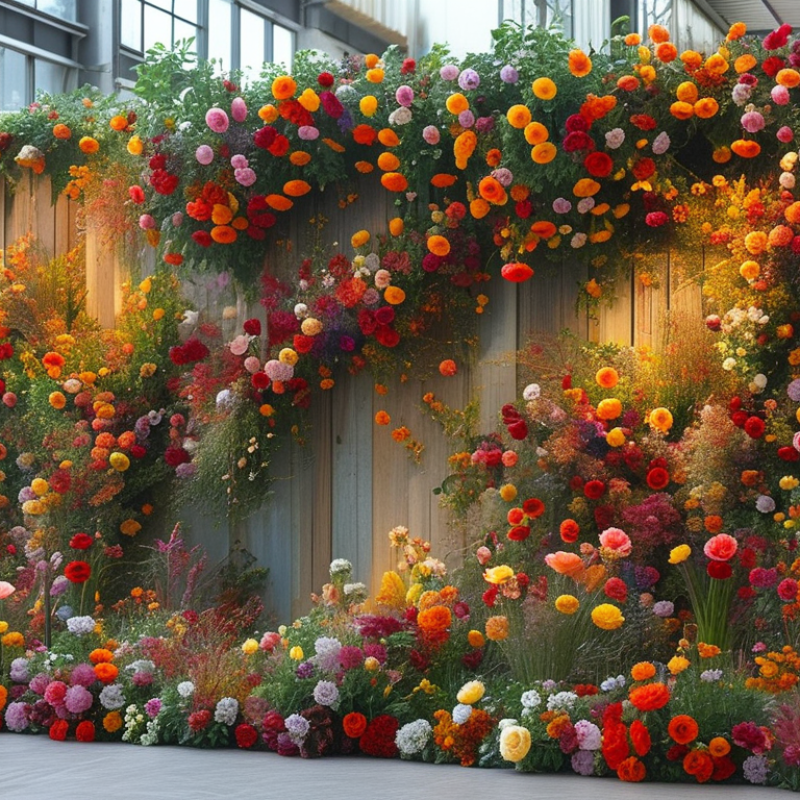
A flower wall is more than just a decorative backdrop; it is a vibrant expression of creativity. This unique installation can transform any space into a magical haven. With an array of colors and textures, flower walls capture attention and set the mood for various events. They are popular for weddings, parties, and corporate events, adding elegance and charm.
Utilizing a flower wall can elevate your décor game. It creates a stunning visual impact while serving as an interactive space for guests. Imagine a backdrop overflowing with blooms. Such a sight invites people to take photos and share their experiences. However, creating the perfect flower wall requires careful planning. Choosing the right flowers and arranging them involves a level of artistry and effort.
Many people face challenges when designing their flower walls. From selecting the right size to matching colors, the task can be overwhelming. Yet, overcoming these hurdles often leads to rewarding results. Flower walls require maintenance and careful consideration of placement. Despite these challenges, the allure of a flower wall remains undeniable. It holds the promise of beauty and memorable moments.
Definition and Characteristics of a Flower Wall
A flower wall is an artistic display made predominantly of flowers. It can serve various purposes, from vibrant backdrops at events to an enchanting element in interior design. The defining characteristic of a flower wall is its depth and texture. It doesn’t merely consist of flowers; it integrates greenery, creating a lush, full appearance. Often seen at weddings or corporate events, these installations can evoke a sense of celebration.
Creating a flower wall requires thoughtful planning. The choice of flowers is crucial; some bloom in specific seasons, while others may wilt quickly. This can lead to disappointment if one isn't aware of floral longevity. Additionally, selecting the right location enhances the wall's impact. Light and surroundings influence how colors appear. A flower wall in direct sunlight may look different than one in the shade.
While a flower wall can be stunning, it’s important to consider upkeep. Frequent maintenance is needed to ensure it remains fresh and vibrant. Dried or wilting flowers can detract from the overall effect, making the wall appear neglected. Balancing beauty and practicality is essential for creating a successful flower wall.
What is a Flower Wall and How Can You Use It? - Definition and Characteristics of a Flower Wall
| Characteristic | Description |
| Definition | A flower wall is a decorative installation made up of real or artificial flowers arranged in a way that covers a wall or backdrop. |
| Common Materials | Silk flowers, fresh flowers, artificial greenery, wood frames, and backdrops. |
| Color Variations | Can be designed in monochromatic styles, multicolored themes, or with seasonal color palettes. |
| Usage Scenarios | Wedding backdrops, photo booths, event decorations, or as interior design elements. |
| Installation | Typically mounted on walls using adhesive, hooks, or freestanding frames, depending on the setting. |
| Maintenance | Fresh flower walls require regular watering and replacement of flowers, while artificial ones can be easily cleaned and reused. |
| Benefits | Provides a stunning visual impact, enhances the ambiance of spaces, and serves as a unique photo backdrop. |
Common Types of Flower Walls and Their Materials
Flower walls have gained popularity in various settings, including weddings and corporate events. They serve as stunning backdrops and interactive elements. However, understanding the materials and types is essential for successful implementation.
Common types of flower walls include fresh, artificial, and preserved options. Fresh flower walls are vibrant and provide a fragrant experience, but they require constant maintenance. According to a 2022 industry report, fresh flowers account for about 25% of the flower wall market, emphasizing their appeal despite higher costs. Artificial flower walls, on the other hand, offer a more budget-friendly and durable solution. These can last for years and are available in various styles. They make up around 60% of the market, showcasing their increasing popularity for both indoor and outdoor use.
Preserved flower walls utilize real flowers treated to maintain their appearance. Though they fall between fresh and artificial in terms of cost, they present unique challenges. The preservation process can alter texture and color, which might not suit all aesthetics. A 2023 survey indicates that only 15% of buyers choose preserved options, primarily due to concerns over longevity and upkeep. Each material has its advantages and drawbacks. Exploring options can lead to a flower wall that fits your specific needs and environment.
Creative Uses for Flower Walls in Events and Decor
Flower walls are a trendy addition to events and decor. They can transform any space into a vibrant oasis. Think of lush arrangements filled with various blooms. A flower wall serves as a stunning backdrop for photos. Guests love capturing moments in front of these colorful displays.
Consider using flower walls for weddings. They create a romantic ambiance at the ceremony. For corporate events, a flower wall can signify brand freshness. It adds an elegant touch that impresses attendees. You might challenge yourself to mix different flower types. Experimenting with patterns and colors can yield unexpected results.
Don't forget about versatility. Flower walls can be temporary or permanent fixtures. They can be used indoors or outdoors. Reflect on your choices and their impact. Each flower has its own meaning. Ensure they resonate with your event's theme. A well-thought-out flower wall tells a story. It engages guests beyond just aesthetics.
How to Design and Install a Flower Wall
Designing and installing a flower wall can transform any space, adding beauty and vibrancy. Start by selecting a sturdy frame. Wood or metal works well. Ensure it can support the weight of the flowers and greenery you choose. Think about where you'll place it. A well-lit area can enhance the colors.
Next, pick your flowers. Choose a variety of colors and sizes for depth. Consider seasonal blooms for freshness. Use artificial flowers for easy maintenance, or opt for real flowers if you want a fragrant wall. Arrange them in clusters. This adds texture and dimension. Don't forget to leave gaps to avoid overcrowding.
Make your installation secure. Check the connections between the frame and flowers. This will prevent any accidents. After installing, step back and assess the overall look. It’s okay if it doesn’t look perfect at first. Adjustments can enhance the design. Keep experimenting until it feels right. A flower wall reflects your style and creativity.
Maintenance Tips for Keeping a Flower Wall Fresh and Vibrant
A flower wall is a stunning display of blooming plants, often used as a backdrop for events or interior spaces. To keep a flower wall looking fresh and vibrant, regular maintenance is crucial. According to industry reports, well-maintained floral installations can enhance aesthetic appeal by up to 40%. Neglect can lead to wilting, which diminishes impact.
Watering is essential. Most flowers thrive with consistent moisture. Aim for early morning watering to reduce evaporation. However, overwatering can lead to root rot, so monitor soil moisture closely. A balance is vital for health.
Lighting plays a critical role. Many flowers need bright, indirect sunlight. Too much direct sunlight can scorch delicate petals, while insufficient light affects growth. Rotate plants occasionally to ensure even light exposure. Remember to check for pests weekly. Early detection can save an entire wall from damage.
Regular pruning encourages growth and removes dead leaves. This practice improves air circulation. It also enhances visual appeal. Fertilizing every few weeks with a balanced product keeps nutrients up. Always follow label instructions to prevent harm. If plants show signs of distress, reassess care routines. Reflecting on these elements will lead to a flourishing flower wall.
Flower Wall Maintenance Over Time
This bar chart illustrates the vibrancy score of a flower wall over five weeks. The scores reflect how well the flowers are maintained, showing a gradual decrease in vibrancy, indicating the need for timely maintenance and care to keep the flower wall fresh and vibrant.

