What is a double eccentric butterfly valve and how does it work?
The double eccentric butterfly valve is an essential component in many industrial systems. It plays a crucial role in managing fluid flow within pipelines. According to industry reports, the global butterfly valve market is projected to reach $6 billion by 2025, reflecting a strong demand for efficient flow control solutions.
This valve type features a unique design that minimizes friction during operation. It consists of two eccentric shafts. This construction allows smoother movement compared to conventional valves. However, despite its advantages, there are challenges. Some users report issues with sealing effectiveness over time. Proper installation and maintenance are vital for optimal performance.
Understanding the mechanics of a double eccentric butterfly valve is crucial for industry professionals. The efficiency and longevity of this valve type can greatly impact overall system reliability. Constantly evaluating its performance is necessary to ensure it meets operational standards.
What is a Double Eccentric Butterfly Valve?
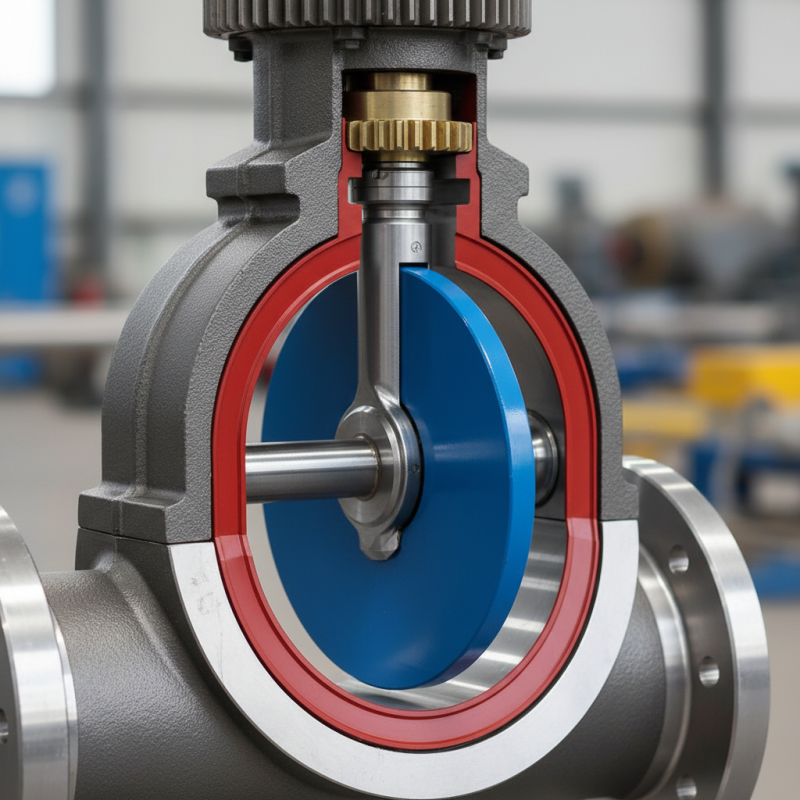
A double eccentric butterfly valve is a specialized type of valve. Its design features two offsets from the valve's centerline. This unique configuration reduces friction between the disc and the seat. When the valve opens, the disc pivots away from the seat in a more efficient manner. This reduces wear over time, enhancing durability.
The operation of a double eccentric butterfly valve is quite intuitive. As the actuator turns the disc, it gradually moves into the flow path. The first eccentricity occurs at the shaft's center, allowing for a smooth, progressive opening. The second offset aligns the disc with the valve seat, creating less interference. This interaction ensures a tight seal when closed.
However, there are challenges in using these valves. If not aligned properly, they may not seal effectively. Regular maintenance is essential to address potential issues before they escalate. The complexity of the design could lead to installation difficulties. Each application must be thoroughly evaluated to ensure a proper fit for desired results.
What is a double eccentric butterfly valve and how does it work?
| Dimension | Value | Description |
| Type | Double Eccentric | Refers to the design of the valve which has two eccentric shafts. |
| Operating Principle | Rotational Movement | Rotates to open or close the flow of media. |
| Applications | Water, Oil, Gas | Used in various industries for fluid control. |
| Advantages | Low Torque, High Durability | Provides efficient operation with minimal wear. |
| Seal Type | Elastic Seat | Ensures tight sealing for fluid containment. |
| Sizes Available | 2" to 36" | Available in various sizes to meet specific needs. |
| Material | Cast Iron, Stainless Steel | Common materials used for construction depending on application. |
| Pressure Rating | ANSI Class 150 to 300 | Design rated to handle specific pressure levels. |
Key Components of a Double Eccentric Butterfly Valve
A double eccentric butterfly valve features unique components that enhance its performance. The key parts include the disc, stem, and body. The disc is shaped like a butterfly and pivots to control flow. This type of valve uses an eccentric design, meaning the pivot point is away from the center. As a result, it provides tight sealing.
The stem connects the disc to the actuator. It allows for smooth rotation, enabling precise control. The body houses these components. It needs to withstand high pressure and temperature. A well-designed body structure is crucial for durability.
Tips: Regular maintenance ensures optimal performance. Check for wear and tear on the disc and stem. Sometimes, you'll notice leaks if they aren't properly maintained. Consider the material of the valve for compatibility with the fluid.
It’s important to reflect on the valve’s application. Some environments are harsher than others. If not chosen wisely, the valve may fail, leading to costly repairs. Always assess your specific needs before selecting a valve.
How a Double Eccentric Butterfly Valve Operates
A double eccentric butterfly valve features a disc that pivots around two axes, enhancing its sealing ability. This design allows for a more efficient flow control and reduces wear on the sealing components. According to a recent industry report, these valves can improve flow efficiency by up to 25%. This capability is vital in various sectors, including water treatment and chemical processing.
When operating, the valve moves in a way that minimizes friction during opening and closing. The unique eccentric design prevents binding, allowing for smoother operation even in high-pressure situations. The valve's seat material can withstand temperatures up to 600°F, making it versatile. However, improper installation can compromise its functionality.
Meanwhile, regular maintenance is essential. Neglecting it might lead to leaks or a complete valve failure. Research indicates that routine inspections can increase lifespan by 50%. Essential checks include the disc alignment and seat condition. Users must remain vigilant to avoid common issues, like sediment build-up, which can hinder performance.
Advantages of Using Double Eccentric Butterfly Valves
Double eccentric butterfly valves have gained popularity in various industries due to their unique design and functional advantages. These valves feature two axes of rotation, which provide better sealing capabilities compared to traditional designs. As a result, they minimize leakage and enhance operational efficiency.
One significant advantage of using double eccentric butterfly valves is their ability to handle higher pressures and temperatures. According to a recent industry report, applications in power generation and chemical processing commonly utilize these valves for their durability. The report highlights that these valves can withstand pressures up to 150 psi, making them ideal for demanding environments. Their lightweight design also simplifies installation and maintenance.
Moreover, double eccentric butterfly valves require less torque to operate. This feature translates to lower energy consumption. In fact, some studies indicate a 25% reduction in energy use compared to conventional valve types. However, it’s essential to note that improper installation can lead to performance issues. Ensuring correct alignment and adequate support is crucial for optimal operation.
Applications of Double Eccentric Butterfly Valves in Industry
Double eccentric butterfly valves are widely used in various industries. These valves excel in providing excellent flow control and tight sealing. Their design minimizes wear and tear, which is crucial for long-term performance. You’ll find them used in water treatment, oil and gas, and chemical processing plants.
In water treatment, double eccentric butterfly valves regulate flow and pressure. They can handle large volumes of water without issues. In the oil and gas industry, they must withstand extreme conditions. Their robust design helps them perform effectively in harsh environments.
Tips: Always inspect valves regularly. Signs of wear can lead to malfunction. Ensure sealing surfaces are clean for better performance. In chemical processing, consider the valve material. Compatibility with fluids is vital to prevent failures. Proper maintenance can significantly extend valve life.

