2026 How to Choose the Best Rubber V Belts for Your Needs?
Choosing the right rubber v belts can significantly impact your machinery's performance. When selecting these components, it's essential to consider various factors. Different industrial applications require specific features from rubber V belts, such as strength and flexibility. Understanding your machine's needs is critical.
Manufacturers often provide detailed specifications, but they may not always highlight the subtle differences between their products. This can lead to confusion. It’s important to research and compare options based on durability, heat resistance, and load capacity.
While shopping, don’t overlook the importance of brand reputation. Trustworthy brands demonstrate reliability over time. However, even established brands can have occasional failures. Reflecting on previous experiences can help inform better choices moving forward. Selecting rubber v belts is not just a task; it demands careful consideration and a critical eye.
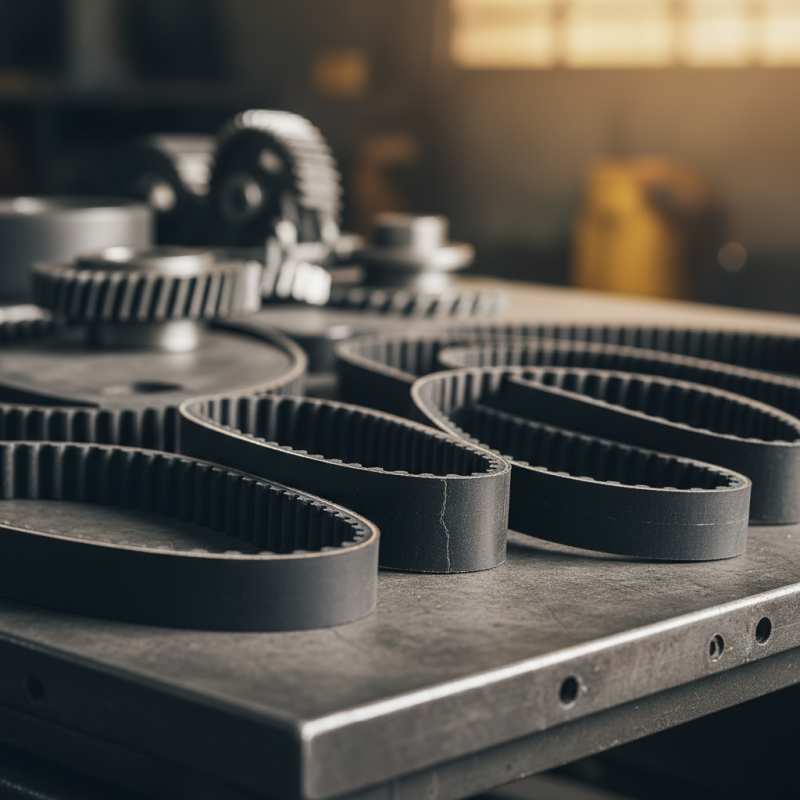
Understanding the Basics of Rubber V Belts and Their Applications
Rubber V belts are essential components in various machinery. Understanding their basics can help you make informed choices. These belts transmit power efficiently and are highly versatile. They come in different sizes and materials, specifically designed for numerous applications.
When choosing rubber V belts, consider their load-bearing capacity. It's crucial to match the belt with the equipment's requirements. Different environments call for different materials. For instance, belts in high-temperature areas need special compounds.
Tips: Regularly inspect your rubber V belts for wear. Look for cracks or fraying. This proactive approach can prevent equipment failure. Also, ensure proper tensioning. A loose belt can slip, reducing efficiency.
Rubber V belts are not one-size-fits-all. Each application varies in demands. Reflect on your specific needs. Sometimes, it takes trial and error to find the perfect fit. Don't hesitate to reach out to experts for advice. Their insights can save you time and money.
Identifying the Key Factors for Selecting the Right V Belt
Choosing the right rubber V belts is crucial for optimal performance. Several key factors come into play when making your selection. Durability is one of them. Look for belts made from high-quality materials that can withstand wear and tear. Rubber compounds can vary, affecting lifespan and resistance to temperature and chemicals.
Another aspect is the belt size. Measure the required length and width accurately to ensure a proper fit. An ill-fitting belt can lead to slippage or misalignment, causing premature failure. Pay attention to the belt's profile as well. Different machines may require specific shapes for efficiency.
The application of the belt also matters. Consider the environment where it will be used. Is it exposed to extreme temperatures or moisture? These conditions can impact performance. Additionally, analyze the power transmission requirements. This understanding helps in choosing a belt that aligns with your machine's needs. Balancing all these factors can be challenging. Reflecting on past experiences with belt failures can help improve your decision-making process.
Evaluating the Quality and Durability of Rubber V Belts
When selecting rubber V belts, quality and durability are crucial. You want belts that can endure harsh conditions and prolonged usage. The materials used in manufacturing these belts directly affect their lifespan. High-quality rubber, reinforced with strong fibers, can resist wear and tear more effectively. Look for belts that specify their material composition and testing standards. This information provides insight into their reliability.
Durability is often tested through dynamic cycles and environmental resistance. Some belts perform well initially but fail under continued stress. It's essential to consider the operating conditions. Belts used outdoors may need to withstand UV rays or extreme temperatures. Understanding how belts react to these conditions can help avoid premature failures. The failure of a belt can result in costly downtime for equipment. Therefore, thorough evaluation is necessary.
Pay attention to user reviews and manufacturer specifications. Real-world feedback offers valuable insights into a belt’s longevity. Not all belts will meet expectations, and some may underperform. Be prepared to reassess your choice if you notice patterns in returns or warranty claims. A thoughtful approach to quality and durability will lead to better performance and longer-lasting products.
Comparing Different Types of Rubber V Belts for Specific Needs
When selecting rubber V belts, it's essential to understand their various types. Each type serves specific applications, affecting performance effectiveness. According to a recent industry report, over 70% of industrial machines rely on rubber V belts for optimal operation. The choice of the right type can impact machine longevity and efficiency.
Traditional V belts are effective for standard applications. They are affordable and widely available. However, they may not endure extreme conditions, leading to premature wear. In contrast, cogged belts are designed for high-performance needs. They offer better flexibility and heat dissipation, making them suitable for high-speed applications. Data shows they can improve energy efficiency by up to 15%.
Rubber V belts also vary in construction materials. Some incorporate reinforced fibers to enhance strength. For example, polyester or nylon fibers improve durability and resistance to environmental degradation. A report indicates that using belts with superior resistance can extend service life by about 30%. Nonetheless, one must evaluate the trade-offs, such as higher costs against potential reductions in maintenance needs.
Maintenance Tips for Maximizing the Lifespan of Rubber V Belts
Rubber V belts are essential components in various machines, requiring proper maintenance for longevity. Regular inspection is a key aspect. Check for signs of wear and tear like fraying or cracking. If you notice these issues, replacing the belt promptly can prevent further damage.
Proper tensioning is critical. An overly tight or loose belt can lead to premature wear. Use tension gauges when adjusting. This ensures the belt operates efficiently. Keeping the pulleys clean is vital too. Dirt and debris can cause slippage, which affects performance. A clean environment contributes to longer belt life.
Environmental factors play a role as well. Exposure to extreme temperatures can weaken the rubber. If possible, store belts in a controlled environment. Regular lubrication of pulleys can minimize friction. However, be cautious; too much lubrication can attract dust. Balancing these elements can enhance the rubber V belt's lifespan. There’s always room for improvement in maintenance practices.
Rubber V Belts Lifespan Factors
This chart illustrates the impact of various factors on the lifespan of rubber V belts. Proper tensioning and load capacity significantly enhance lifespan, whereas environmental factors and usage frequency tend to reduce it. Regular inspections are essential to maintain optimum performance.

