How to Choose the Best Private Label Footwear Supplier?
In the rapidly evolving fashion industry, choosing the right Private Label Footwear Supplier can make a significant difference. Renowned footwear expert Michael Smith emphasizes, "The right supplier transforms your vision into quality." This speaks volumes about how essential it is to partner with a dependable supplier who understands your brand's unique identity.
Selecting a supplier is not just about cost-effectiveness. It involves evaluating their production capabilities, design flexibility, and quality standards. Many entrepreneurs overlook these factors, leading to disappointing products that fail to resonate with customers. An experienced supplier should offer transparency in their processes. This builds trust and ensures alignment with your brand values.
Having clarity on your branding and target market is crucial. A well-defined vision can guide your choice and help avoid misalignment with your supplier's capabilities. It's not uncommon to encounter challenges, like communication barriers or delayed timelines. Reflecting on these experiences allows you to refine your approach. In a competitive market, your partnership with a reliable Private Label Footwear Supplier can set the foundation for success.
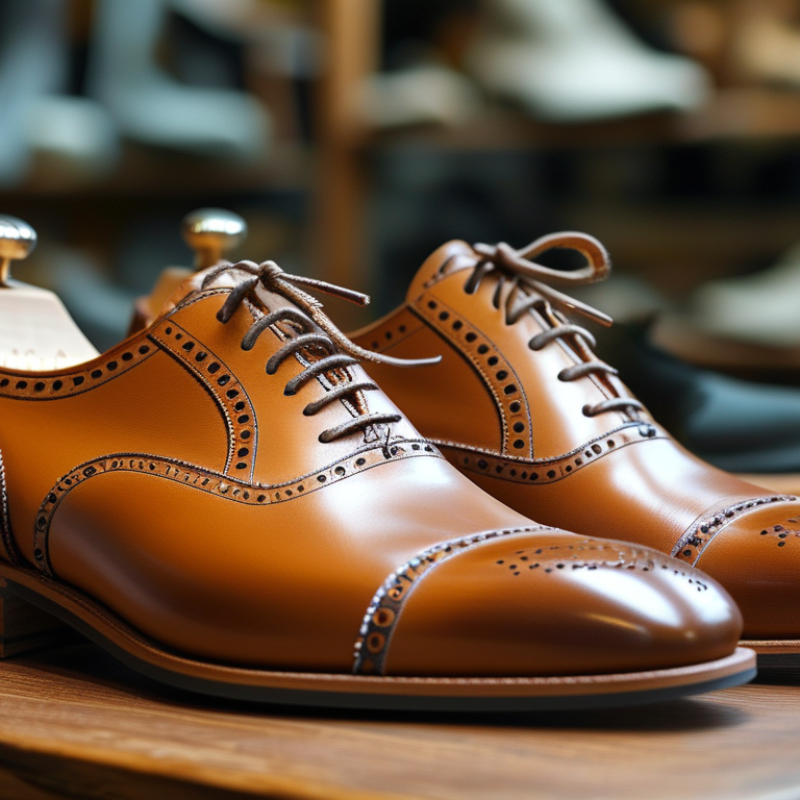
Understanding Private Label Footwear: Key Concepts and Terminology
Private label footwear has become a significant segment in the global fashion market. According to a report by Statista, the private label footwear market was valued at approximately $4.4 billion in 2022 and is expected to grow. This market trend reflects a rising demand for unique, cost-effective, and customizable options among retailers. Understanding key terminology in this sector is essential for those looking to succeed.
"Private label" refers to products manufactured by one company for sale under another company's brand. This allows retailers to maintain control over branding and pricing. Key terms include "OEM" (Original Equipment Manufacturer) and "ODM" (Original Design Manufacturer). Knowing the difference between these types of suppliers can impact product quality and design flexibility. Furthermore, terms like "MOQ" (Minimum Order Quantity) are crucial. They indicate the least amount of product a supplier will produce, influencing inventory management.
As the private label footwear market continues to evolve, suppliers must adapt to changing consumer preferences. One study revealed that 72% of consumers are more likely to buy a private label product if it offers quality comparable to established brands. However, not all private label options meet this standard. Brands must carefully evaluate potential suppliers to ensure they deliver the expected quality and reliability. Thus, diligence and research are necessary for a successful partnership.
Identifying Your Business Needs and Footwear Requirements
Choosing the right private label footwear supplier starts with a clear understanding of your business needs. Consider the target market and specific styles you wish to offer. For example, do you want trendy sneakers or classic dress shoes? Your decisions should reflect customer preferences, ensuring your designs are appealing.
Next, think about your footwear requirements. This includes material choices, size ranges, and production capabilities. If your market leans towards sustainable products, sourcing eco-friendly materials is crucial. Pay attention to the range of sizes offered. A diverse size selection ensures inclusivity and meets customer demands.
Reflecting on your needs can reveal gaps in your understanding. Are you truly aware of the current trends? Conducting surveys or focus groups can provide valuable insights. Engaging with potential customers may highlight preferences you hadn’t considered. This process invites a more informed approach to selecting a supplier that aligns with your vision and values.
Evaluating Potential Suppliers: Quality, Reliability, and Reputation
When evaluating potential private label footwear suppliers, quality is paramount. Look for suppliers who utilize high-grade materials. Request samples to assess durability and comfort. This step ensures the shoes can withstand wear and tear. Ask about their production processes. A transparent process often indicates a commitment to quality.
Reliability matters just as much. Check the supplier's production capacity. Can they meet your order volume consistently? Investigate their delivery timelines. A reliable supplier should meet deadlines without compromising quality. Read reviews or seek references. Feedback from other clients can provide insight into their reliability.
Reputation is key in the footwear industry. Research how long the supplier has been in business. A long-standing supplier often indicates stability and experience. Look for any certifications or awards they may hold. These achievements reflect their commitment to excellence. However, be cautious of overly positive feedback; it’s important to look for balanced reviews that highlight both strengths and weaknesses. Balancing these factors will guide you toward a trusted supplier.
Assessing Cost Structures and Pricing Strategies of Suppliers
When evaluating private label footwear suppliers, understanding their cost structures is critical. Costs can vary widely across suppliers. This variation may reflect quality, materials, and manufacturing processes. A supplier with lower prices might cut corners. Hence, it’s essential to dig deeper into their pricing strategies.
Some suppliers may offer bulk discounts, while others have fixed pricing. These strategies impact your margins significantly. Ask suppliers about hidden costs, such as shipping or duties. Transparency is vital in establishing a reliable partnership.
It’s also important to assess their pricing flexibility. A supplier willing to negotiate shows a commitment to your business. This adaptability can provide a competitive edge in the market. Pay attention to the supplier's minimum order quantities as well. Higher MOQ may indicate lower prices but can also lead to excess inventory. Balancing these factors often requires careful evaluation and reflection.
How to Choose the Best Private Label Footwear Supplier? - Assessing Cost Structures and Pricing Strategies of Suppliers
| Supplier Location | Min Order Quantity | Unit Price Range | Lead Time | Return Policy | Customization Options |
| Vietnam | 300 pairs | $15 - $30 | 3 - 4 weeks | 30 days | Yes, color and material |
| China | 500 pairs | $10 - $25 | 4 - 6 weeks | 45 days | Yes, design customization available |
| India | 200 pairs | $12 - $28 | 2 - 3 weeks | 20 days | Yes, size adjustment |
| Indonesia | 400 pairs | $14 - $32 | 3 - 5 weeks | 30 days | Limited options |
Establishing Clear Communication and Collaboration Practices with Suppliers
Establishing effective communication with your footwear supplier is essential. Clear dialogues can prevent misunderstandings and streamline operations. A reported 62% of businesses cite poor communication as a significant concern in supplier relationships. It's crucial to outline expectations clearly. This includes not just delivery timelines, but also quality standards and design preferences.
Tips: Use visual aids. A shared design board or prototype images can bridge gaps in understanding. Frequent updates through emails or calls can enhance collaboration too.
Moreover, fostering a collaborative spirit can lead to improved innovation. Suppliers often have valuable insights that can elevate your product line. But, it’s vital to create a space where they feel comfortable sharing ideas. Research indicates that companies with strong supplier collaboration see a 25% increase in overall efficiency.
Consider regular check-ins to discuss progress. This helps build trust and keeps both parties aligned on goals. Remember, the road to success is paved with open feedback. Mistakes can happen, but addressing them promptly is key. Stay adaptable and ready to adjust plans as needed.

