How to Choose the Best Fiberglass Mesh Machine for Your Needs?
Choosing the right fiberglass mesh machine can be a daunting task. With many options available, it’s easy to feel overwhelmed. This decision will significantly impact your production efficiency and product quality.
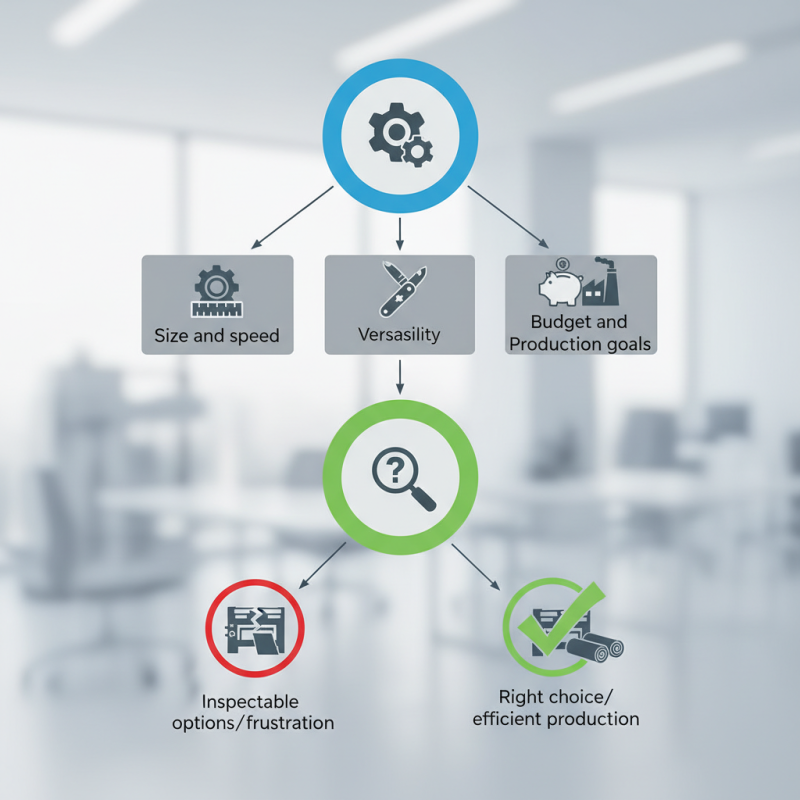
When selecting a fiberglass mesh machine, consider factors such as size, speed, and versatility. Each machine serves a different purpose. Not all machines will meet your specific needs. For instance, a high-speed machine may look appealing, but it might not suit small-scale operations.
Don’t rush your choice. Inspect machines carefully to ensure they fit your requirements. Sometimes, manufacturers overlook essential features in their machines, leading to frustration later. Reflect on your production goals and budget. This can help narrow down your options effectively.
Understanding Fiberglass Mesh Machines and Their Uses
Fiberglass mesh machines are essential tools in construction and manufacturing. They produce mesh used for reinforcing materials like plaster and concrete. Understanding the different types of machines can help you choose the right one.
These machines vary in size, capability, and technology. Some focus on high-speed production, while others emphasize finer mesh patterns. A machine that works well for one application might not suit another.
Consider how often you'll use the machine and the volume of production required.
Maintenance and setup can be tricky. Many users face challenges with adjustments and calibrations. Researching user experiences can reveal common pitfalls. Investing time in understanding these machines pays off.
Choosing the right fiberglass mesh machine involves balancing your specific needs with potential limitations.
Key Features to Consider When Choosing a Fiberglass Mesh Machine
When selecting a fiberglass mesh machine, several key features are crucial for making an informed decision. The production capacity is one of them. Machines vary widely; some can produce up to 3,000 square meters per hour. This is vital for meeting demand without delays. However, consider if your actual needs align with such high production levels. Overestimating can lead to wasted resources.
Another important feature is the mesh width. Machines typically accommodate widths from 1 to 2 meters. Opting for a wider machine may seem beneficial, but it requires more space and investment. Evaluate your workspace carefully. Industry statistics indicate that around 40% of businesses overpopulate their production floors, which ironically slows down overall output.
Quality control systems within the machine should not be overlooked. Advanced systems can detect defects in real time. Although they come at a premium, failing to invest here can lead to costly errors later. An estimated 30% of production errors occur due to oversight in quality checks. Balancing cost with features requires thoughtful consideration.
Assessing Your Production Needs and Specifications
When assessing your production needs for fiberglass mesh machines, clarity is crucial. Start by defining your output requirements. According to recent industry reports, the demand for fiberglass mesh has seen a growth rate of 5% annually. This trend underscores the need for efficient machinery that meets specific production volumes. Understanding your daily output will guide you toward the right machine specifications.
Consider the type of fiberglass mesh you'll be manufacturing. Different applications, like construction or automotive, require varying mesh specifications. A machine that produces a standard grid size might not suffice for specialized markets. Industry insights suggest that over 40% of mesh failures are linked to machine inadequacies. This highlights the importance of precise machinery choice.
Additionally, reflect on the operational environment. Speed and durability are essential, but so are maintenance and ease of use. Reports indicate that machines with user-friendly interfaces reduce operator errors by over 30%. Choose a machine that balances speed and convenience. Decisions made now will significantly impact production efficiency and overall business success.
How to Choose the Best Fiberglass Mesh Machine for Your Needs? - Assessing Your Production Needs and Specifications
| Feature | Specification | Importance Level | Notes |
| Production Speed | 50-100 m/min | High | Higher speeds increase productivity. |
| Types of Mesh | Square, Rectangular, Custom | Medium | Different applications require different types. |
| Automation Level | Semi-Automatic, Fully Automatic | High | Automation reduces labor costs and improves efficiency. |
| Power Requirements | 380V, 50Hz | Medium | Ensure power supply matches machine needs. |
| Machine Size | 3m x 2m x 2m | Low | Consider workspace availability. |
| Weight | Approx. 1500 kg | Medium | Heavy machines may require stronger foundations. |
| Maintenance Frequency | Monthly | Medium | Regular maintenance ensures longevity. |
Comparing Different Types of Fiberglass Mesh Machines
When selecting a fiberglass mesh machine, it's crucial to understand the different types available. The market offers several options, including warp knitting machines and weft knitting machines. Each type serves distinct purposes based on the mesh's intended application. Warp knitting machines typically yield more robust products, suitable for construction sectors. Weft knitting machines, on the other hand, often produce finer mesh for specialized uses. A detailed report by the Global Fiberglass Market predicts that demand for high-strength mesh will increase by 5.6% annually.
Energy efficiency also plays a significant role. The latest figures show that machines with advanced energy-saving technologies can reduce power consumption by up to 30%. However, it’s essential to note that higher efficiency often comes at a higher initial cost. Investing in these machines requires careful consideration of your budget versus long-term savings. Many manufacturers offer entry-level models that might not meet production needs, leading to potential setbacks.
Another consideration lies in automation features. Automated machines may enhance production speed, but they can also complicate maintenance. While technology advances bring benefits, they can also create challenges. Reports indicate that up to 20% of manufacturers struggle with technical issues in automated systems. Balancing efficiency and complexity is critical when choosing the right fiberglass mesh machine for your specific needs.
Evaluating Manufacturers and After-Sales Support Options
When choosing a fiberglass mesh machine, evaluating manufacturers is crucial. Many factors affect performance. Expert reports indicate that 70% of production efficiency comes from machine design and quality. Some manufacturers focus on technology, while others prioritize cost. It's essential to find a balance.
After-sales support is just as important. Look for suppliers with a solid support system. A survey revealed that 65% of users experienced downtime due to inadequate service. Quick response times and access to replacement parts can make or break your operations. Consider whether the manufacturer offers training and technical assistance. This can significantly impact your productivity.
Don’t overlook customer feedback. Online reviews can provide insights into a company’s reputation. However, take them with a grain of salt. Not all reviews reflect true experiences. Some may lack detail, leading to misguided conclusions. It’s the small details that matter. Assess support options carefully to ensure your investment pays off in the long run.