
Skip to content

Why Choose a Camping Grill for Outdoor Cooking?

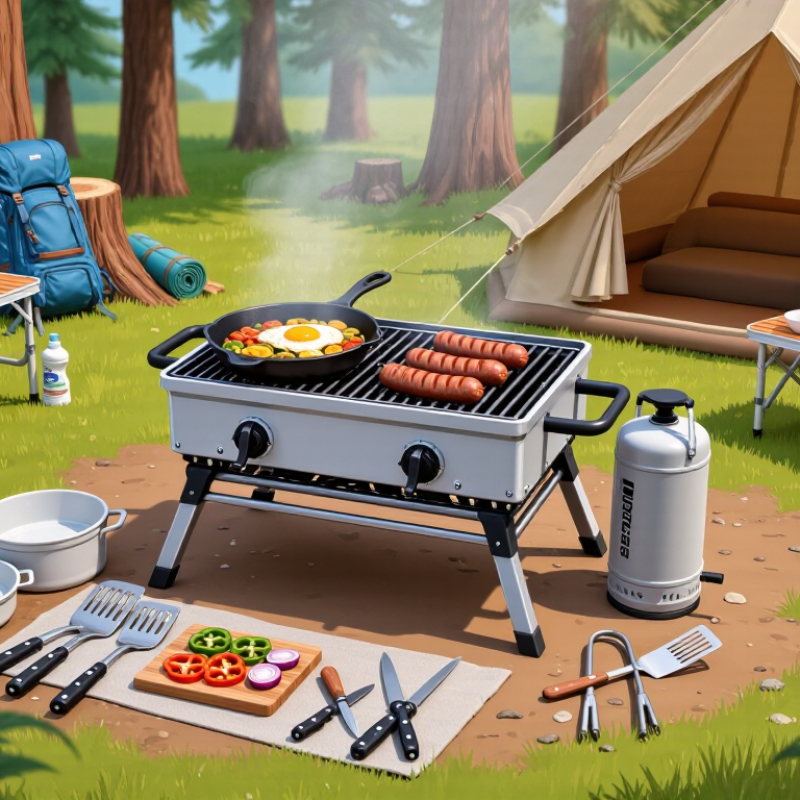
Outdoor meals often feel better when cooking is simple, steady, and close to camp. A Camping Grill can help, whether you are making breakfast beside your tent or vegetables after a long hike. Unlike an open fire, a grill gives you a defined cooking surface and adjustable heat on many models. That helps when sausages brown quickly, a pan needs stable support, or wind shifts across the campsite. Small details count. Fuel type, burner control, grate size, and cleanup can shape the whole meal. Still, no grill is perfect. Some models feel bulky, and uneven ground can make setup frustrating.

This guide explores why campers choose grills, which features deserve attention, and how to cook with care. A useful choice depends on your trip, not on selecting the largest or most powerful model. Check the manufacturer’s instructions, use the grill outdoors only, and keep it away from tent fabric and dry debris. Let hot parts cool before packing, and follow the stated fuel and cleaning guidance. These habits help protect people and equipment. Packing extra fuel or wiping greasy grates may not feel exciting, but it can prevent avoidable problems. Choosing well means balancing portability, cooking space, safe operation, and the meals you actually enjoy outdoors. It is a practical trade-off, and sometimes the lighter option is not the easiest one to cook on.
Why Choose a Camping Grill for Outdoor Cooking?

How Camping Grills Fit into Outdoor Cooking

Why Choose a Camping Grill for Outdoor Cooking?

How Camping Grills Fit into Outdoor Cooking

A camping grill gives outdoor meals a steady cooking surface without requiring a full kitchen. It suits quick breakfasts, grilled vegetables, and simple dinners beside the campsite. The KOA 2024 North American Camping Report estimates that 58 million North American households camped in 2023. That scale helps explain why practical, portable cooking gear matters to many campers. A grill can reduce reliance on disposable cooking items, though fuel and cookware still need planning. It is not ideal for every meal. Wind, limited fuel, and uneven heat can turn a simple dinner into a small project.

Tips: Choose a stable, level spot outdoors, well away from tents and dry brush. Check the grill and fuel connections before lighting. Keep raw and cooked food separate, and use a food thermometer for meat. Pack only the tools you expect to use. I sometimes overestimate how much cooking gear a trip needs; a lighter kit is often easier to manage.

Source: KOA, 2024 North American Camping Report.

Benefits of Using a Grill at the Campsite

A camping grill makes campsite meals easier to control. A stable grate holds food above the heat, while adjustable vents can help manage cooking temperature. That matters. You can grill sliced peppers, fish, or sausages in small batches, using a pan or foil where the grate is too open. Direct heat also browns food without requiring several pots. Meal prep feels simpler.

A shared grill creates one clear cooking spot, so people can eat together instead of taking turns at a small stove. It can also leave a burner free for coffee or a pot of water. Keep raw and cooked foods on separate plates, and use a food thermometer for thick cuts. A little planning helps, though I still find it easy to underestimate how long charcoal takes to heat.

The convenience has limits. Wind shifts heat, damp fuel can create extra smoke, and a crowded grate cooks unevenly. Leave space between pieces, even when dinner is late and everyone is hungry. Check campsite rules before lighting a grill, and place it on a level, clear surface. Allow coals to cool completely before handling or disposing of them.

Why Choose a Camping Grill for Outdoor Cooking? – Benefits of Using a Grill at the Campsite

Benefit How a Camping Grill Helps Campsite Value Practical Consideration
More manageable heat Many grills allow cooks to adjust heat using a burner control, air vents, or the placement of charcoal. Different heat levels can help cook foods such as vegetables, fish, and thicker cuts of meat more evenly. Heat adjustment depends on the grill type; charcoal grills may respond more slowly than gas models.
Flexible meal options A grill grate can be used for foods suited to direct grilling, including vegetables, bread, and many cuts of meat. One cooking setup can handle a range of simple outdoor meals. Use cookware only if the grill is designed to support it, and follow the cookware and grill instructions.
Portable cooking setup Many camping grills are designed to fold, detach, or pack into a smaller form than a full-size outdoor grill. A compact model can be practical for car camping or other trips where its packed size and weight are manageable. Check packed dimensions, weight, fuel requirements, and whether the campsite allows the grill type.
Less reliance on gathering firewood Fuel-powered grills use a compatible fuel source brought to the campsite rather than requiring collected wood for cooking. This can simplify meal planning where wood is unavailable, damp, or restricted. Fuel availability and permitted fuel types vary by location. Carry and store fuel according to safety instructions.
Dedicated cooking surface A grill provides a defined grate or cooking plate for placing food above or beside its heat source. It can make cooking and turning food more orderly than balancing food directly over an open campfire. Preheat as directed, use suitable utensils, and keep food from contacting raw-meat juices.
Convenient cooking for a group Grills are available with different cooking-surface sizes, allowing campers to choose a capacity suited to their group. A suitably sized grill can cook several portions in one batch and reduce repeated trips between the cooking area and the table. Larger grills take up more space and may require more fuel; choose a size that fits the trip and campsite rules.
Potentially simpler cleanup Some models have removable grates or grease trays that can be cleaned separately. Removable parts may make it easier to manage food residue after a meal. Let the grill cool fully before cleaning, and dispose of grease and food waste according to campsite guidance.
More predictable meal planning With a compatible fuel supply and a known cooking setup, campers can plan meals without depending entirely on firewood conditions. This can be helpful when weather, wood availability, or time makes a campfire-based meal less convenient. Wind, cold, altitude, and fuel level can affect cooking performance; always bring enough permitted fuel for the trip.

Common Camping Grill Designs and Fuel Sources

Camping grills generally fall into three designs: compact tabletop units, folding-leg grills, and open firebox-style cookers. Tabletop models suit small campsites, but their low cooking surface can make turning food awkward. Folding-leg designs offer more working height and often include a grate large enough for a pan. Open firebox models can burn wood or charcoal, adding smoky flavor but requiring more attention to heat and ash.

Fuel changes the cooking rhythm. Propane grills ignite quickly and allow steady heat adjustment; canister models are convenient, though cold weather can reduce performance. Charcoal and wood grills need more time, and wind can shift their heat unexpectedly. That matters. The National Fire Protection Association’s Home Grill Fires report found an average of 10,600 U.S. home fires involving grills, hibachis, or barbecues each year from 2014 to 2018. Gas grills were involved in about 8,900 fires, compared with 1,300 involving charcoal or other solid-fuel grills. These figures concern home fires, not campsite incidents, but they underline the value of stable placement and careful fuel handling. I would also check grate height and packed size before buying; specifications rarely show how fiddly a grill feels beside a crowded picnic table.

Why Choose a Camping Grill for Outdoor Cooking?

Common Camping Grill Designs and Fuel Sources

Typical fuel energy by mass (megajoules per kilogram): Propane and butane pack more energy per kilogram than charcoal or seasoned firewood. Actual cooking performance also depends on the grill design, airflow, fuel quality, and weather. Portable gas grills are convenient to control; charcoal grills and wood-burning designs offer a different outdoor cooking experience.

Choosing a Grill for Your Cooking Needs

Choosing a camping grill starts with the meals you plan to make, not the biggest cooking surface you can carry. A small grate works well for sausages, vegetables, and a pan of eggs. If you often cook for several people, look for enough space to keep food over direct and indirect heat. That separation helps prevent thin vegetables from burning while thicker pieces finish cooking.

Think about fuel, too. A charcoal grill can offer steady, familiar heat, but it takes time to light and cool. A gas grill is quicker to adjust, though you will need to pack fuel and check the connection before leaving home. Wood-fired cooking can add a pleasant smoky flavor, but wind makes temperature control less predictable. I have found that this part is easy to underestimate.

Packability matters when the cooking spot is far from the car. Check the grill’s folded size, weight, and stability on uneven ground. A wide base is useful on firm, level surfaces, but it still needs careful placement away from tents and dry brush. Cleanup deserves a place in your decision. Removable grates and an accessible ash tray can save time, although grease may still cling to corners. Consider whether the grill suits your usual campsite, cooking style, and willingness to clean it after dinner.

Safe Operation and Care in Outdoor Settings

A camping grill makes outdoor meals practical, but safe use begins with choosing the right spot. Place it on firm, level ground, well away from tents, branches, dry grass, and footpaths. Never operate a fuel-burning grill inside a tent, vehicle, or enclosed shelter. Wind changes quickly. Check that flames stay contained and that smoke does not blow toward people or sleeping areas. Before lighting, inspect fuel connections and hoses for damage, and follow the grill’s operating instructions. Keep children and pets at a clear distance, and stay nearby while the grill is hot. A grill should not be left unattended, even for a quick trip to the water.

Let the grill cool fully before cleaning or packing it. Remove food residue and grease from the grate and collection tray; buildup can smoke or ignite during the next use. Small details matter. Check for loose parts and wear before each trip, rather than assuming everything is fine because it worked last time. Store fuel containers as directed, away from heat, and keep them upright when required. Dispose of charcoal or ash only after it is completely cold, using a suitable container. It is easy to rush cleanup after dinner, and that is exactly when small maintenance steps get missed. A brief check can prevent unpleasant surprises outdoors.