
Skip to content

China Top 10 Blood Transfusion Machine Manufacturers

Blood transfusion is becoming more controlled, traceable, and technology-driven. The World Health Organization reported approximately 118.5 million blood donations worldwide in its Global Status Report on Blood Safety and Availability 2021. However, access remains uneven, especially between high-income and low-income healthcare systems. This difference creates varied demand for Blood Transfusion Machines, from compact hospital devices to automated systems supporting high-volume blood centers.

Safety comes first. Always.

Modern equipment can regulate flow rates, monitor temperature, detect air bubbles, and record transfusion data. These functions help clinicians manage blood components more consistently beside the patient’s bed. The U.S. Food and Drug Administration and AABB both emphasize validated processes, equipment control, staff training, and traceable quality procedures. Therefore, a manufacturer’s reputation should not depend only on product claims. It should also reflect documented testing, after-sales support, calibration services, and practical experience in clinical environments.

This guide examines China’s top 10 Blood Transfusion Machines manufacturers through these professional criteria. It considers product design, manufacturing capability, certifications, customization, export experience, and service responsiveness. Industry market reports often present different growth estimates because they define “transfusion equipment” differently. That limitation deserves attention. A large market figure does not automatically prove better machine quality. Hospitals should compare alarm accuracy, tubing compatibility, cleaning requirements, battery performance, user training, and maintenance records. A reliable supplier should make those details visible. The following overview aims to support informed purchasing decisions, while recognizing that local clinical protocols and regulatory requirements must always guide final selection.
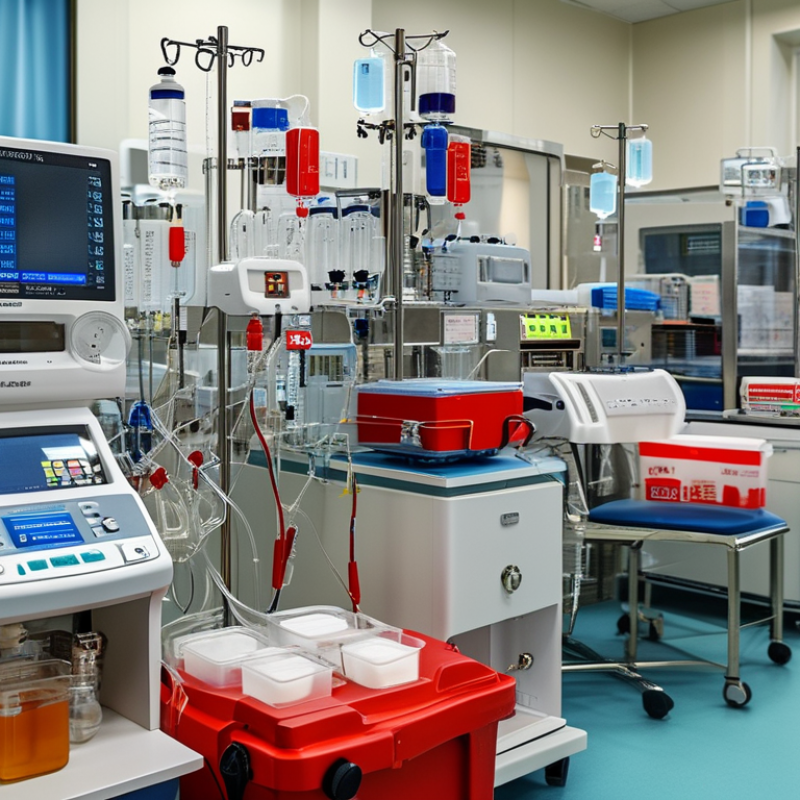
China Top 10 Blood Transfusion Machine Manufacturers

Blood Transfusion Machines: Types, Functions, and Clinical Applications

Blood transfusion machines support the controlled delivery of blood and blood components in clinical settings. Common types include infusion pumps, pressure infusers, blood warmers, and automated transfusion systems.

Cell salvage devices collect and process a patient’s blood during selected surgeries. Each machine addresses a different clinical need, from steady flow control to rapid replacement during major blood loss.

Infusion pumps regulate volume and speed through sterile tubing. Pressure infusers assist when circulation must be restored quickly, but excessive pressure can damage blood cells or equipment.

Blood warmers reduce the risk of hypothermia during large-volume transfusion. Sensors may detect air, blockage, temperature changes, or an empty chamber.

These alarms improve safety, yet trained staff must still inspect the line and patient.

Clinical applications include emergency departments, operating rooms, intensive care units, obstetric units, and transfusion services.

Nurses and technicians verify patient identity, component details, expiry information, and compatibility before connection.

Device calibration and maintenance require documented procedures and qualified personnel. A machine can be accurate and still be used poorly.

One weakness deserves attention: automation may create false confidence.

Bedside observation remains essential, especially when a patient develops fever, pain, breathing difficulty, or an unexpected change in vital signs.

Manufacturer selection should consider validated performance, service support, staff training, and local clinical requirements rather than attractive features alone.

How China’s Top Manufacturers Are Evaluated

Evaluating China’s top 10 blood transfusion machine manufacturers requires more than comparing catalogue prices. A credible review begins with production experience. How long has each manufacturer built transfusion equipment? Can it show verified installations in hospitals with similar workloads? I look for traceable production records, documented design changes, and technicians who explain failure modes clearly. Practical experience matters. A polished showroom proves little.

Professional quality depends on measurable details. Reviewers should examine flow accuracy, temperature control, alarm response, battery performance, and cleaning procedures. Independent testing reports add weight, especially when methods and dates are available. Compliance with applicable medical device standards should be verified, not simply claimed. Factory audits can reveal calibration routines, component inspection, and operator training. Small details matter here.

Reliability also includes service after delivery. A serious manufacturer provides spare-part plans, training records, maintenance instructions, and realistic response times. Customer references should be checked directly, when possible. However, public information is often incomplete, and one factory visit may show an unusually prepared production line. That limitation deserves attention. A top-ten list should compare evidence, not repeat promotional language. I would also record unresolved questions, such as unclear software updates or inconsistent warranty terms. Honest evaluation is sometimes less impressive, but it is more useful to hospital buyers.

Profiles of China’s Top 10 Blood Transfusion Machine Manufacturers

China’s top 10 blood transfusion machine manufacturers reflect a broad manufacturing base, from established medical equipment producers to focused transfusion-device specialists. Their profiles should be judged by evidence, not attractive catalog images. Important details include flow-rate accuracy, occlusion alarms, bubble detection, temperature control, and compatibility with standard blood bags and tubing.

Several manufacturers emphasize automated control, compact displays, and stable performance during long hospital shifts. Others focus on practical servicing, replacement parts, and operator training. A reliable supplier should provide test records, traceable quality procedures, and clear instructions in professional English. Factory audits, sample testing, and independent clinical feedback can reveal weaknesses that brochures rarely mention. No profile is flawless. Even a well-designed machine may need better software, quieter alarms, or faster technical support.

Tips: Compare at least three samples before purchasing. Ask for calibration records and maintenance schedules. Check alarm visibility under bright ward lighting. Confirm cleaning requirements and local service coverage. Test the device with the blood bags used in your facility. Small details matter. A supplier’s response to difficult questions can show more than its sales presentation. Manufacturers should also explain how they manage design changes, user complaints, and post-market monitoring. These points help hospitals assess practical reliability, not only production scale or export experience.

Product Features, Technologies, and Quality Standards Compared

China Top 10 Blood Transfusion Machine Manufacturers: Product Features, Technologies, and Quality Standards Compared

When comparing China’s top ten blood transfusion machine manufacturers, buyers should examine more than output speed. WHO reported 118.5 million blood donations globally in 2019. Nearly 40% came from high-income countries, which represented only 16% of the world’s population. This gap increases demand for safe, efficient equipment. Key features include adjustable flow control, airtight tubing systems, temperature monitoring, and clear touchscreens. Battery backup matters during mobile collection or unstable power conditions.

Technology differences are easier to see during practical testing. Some systems use ultrasonic sensors to detect air bubbles and flow interruptions. Others provide automatic weighing, data logging, and barcode traceability. These functions reduce manual recording errors. However, software quality is often harder to verify than hardware performance. ISO 13485:2016 supports medical-device quality management, while IEC 60601-1 addresses electrical safety. FDA guidance and AABB standards may also influence export evaluations. Certification alone does not prove reliable field performance.

Tips: Request test records, calibration intervals, alarm demonstrations, and service-response data. Check whether consumables are locally available. A useful trial should include cold-room operation, repeated alarms, and cleaning procedures. Do not judge durability from a showroom display. WHO reports also stress that blood systems need trained staff, not equipment alone. This is where many comparisons remain incomplete.

China Top 10 Blood Transfusion Machine Manufacturers: Product Features, Technologies, and Quality Standards Compared

Reference framework for comparing transfusion-device capabilities without displaying company or brand data.

The chart uses a normalized 0–100 comparison index based on commonly evaluated blood-transfusion equipment capabilities, including flow-control precision, air-bubble detection, occlusion monitoring, temperature management, data connectivity, alarm functions, and alignment with recognized medical-device quality standards such as ISO 13485, ISO 14971, and IEC 60601-1.

How to Select a Suitable Chinese Blood Transfusion Machine Manufacturer

Choosing a Chinese blood transfusion machine manufacturer requires more than comparing prices. The WHO reported 118.5 million blood donations worldwide in 2019. That volume demands stable, traceable, and safe equipment. Review the manufacturer’s ISO 13485 quality system, production records, and risk-management process under ISO 14971. Ask for test reports covering flow accuracy, occlusion alarms, air detection, and battery performance. A polished website proves very little.

Request evidence of regulatory registration in your target market. Confirm whether the manufacturer can provide complete technical files, software documents, labeling, and post-market support. IEC 60601-1 compliance is important for electrical safety. However, certificates should match the exact model, not a similar device. Arrange a video factory audit or an independent inspection. Watch calibration, incoming-material checks, and final testing. These small details often reveal more than a sales presentation. I would also test samples with real transfusion tubing, because laboratory demonstrations can be too comfortable.

Tips: Compare at least three suppliers. Set acceptance criteria before receiving samples. Check spare-part availability for five years. Request response-time commitments in writing. Review complaint-handling records, even if the discussion feels uncomfortable. The lowest quotation may become expensive after training, repairs, and delayed shipments. A manufacturer that explains limitations openly may be more reliable than one promising everything. According to the WHO report, availability and quality remain uneven across regions, so local service capability deserves serious weight.

China Top 10 Blood Transfusion Machine Manufacturers - How to Select a Suitable Chinese Blood Transfusion Machine Manufacturer

Rank Anonymized Manufacturer Profile Typical Product Scope Typical Flow-Rate Range Temperature Control Important Safety Functions Standards and Documents to Verify OEM / ODM Support Suggested Buyer Fit
1 Manufacturer Profile A Volumetric blood and infusion pumps for hospitals 0.1–1,200 mL/h Optional warming module Occlusion, air-in-line, door-open, empty-container, low-battery and power-failure alarms ISO 13485, IEC 60601-1, IEC 60601-1-2, ISO 14971, IEC 60601-2-24; valid product registration High Large hospitals and distributors
2 Manufacturer Profile B Dedicated blood-component warming and transfusion systems 20–500 mL/min Controlled warming with over-temperature protection Temperature deviation, blocked line, sensor fault and insufficient-flow alarms IEC 60601-1, IEC 60601-1-2, ISO 14971, IEC 62366-1; electrical safety and thermal validation reports Medium Trauma centers and operating rooms
3 Manufacturer Profile C Battery-operated transfusion pumps for emergency care 1–800 mL/h External warming accessory Rechargeable battery, anti-free-flow protection, air detection and event logging IEC 60601-1, IEC 60601-1-2, IEC 60601-2-24, UN 38.3 for battery transport where applicable Medium Ambulance and field medical teams
4 Manufacturer Profile D Compact syringe and low-volume blood delivery pumps 0.01–100 mL/h Usually not integrated Syringe occlusion, end-of-infusion, drive fault and battery alarms IEC 60601-1, IEC 60601-1-2, ISO 14971, IEC 60601-2-24; syringe compatibility testing High Pediatrics and neonatal departments
5 Manufacturer Profile E Multi-channel infusion platforms with central monitoring 0.1–1,000 mL/h per channel Optional integrated warmer Central station, drug library, dose limits, alarm escalation and network connectivity IEC 60601-1, IEC 60601-1-2, IEC 62304 where software applies, ISO 14971, cybersecurity documentation High High-dependency wards
6 Manufacturer Profile F Entry-level volumetric pumps for general wards 1–999 mL/h Not normally integrated Air-in-line, occlusion, open-door, completion and low-power alarms ISO 13485, IEC 60601-1, IEC 60601-1-2, IEC 60601-2-24; calibration records Medium Cost-sensitive hospital projects
7 Manufacturer Profile G Portable transfusion pumps for home and outpatient use 0.1–300 mL/h External temperature monitoring Battery status, line blockage, air detection, keypad lock and data storage IEC 60601-1, IEC 60601-1-2, ISO 14971, IEC 62366-1; usability and battery endurance reports Medium Outpatient and home-care providers
8 Manufacturer Profile H High-flow rapid transfusion equipment 100–1,500 mL/min High-capacity fluid warming Pressure monitoring, temperature limits, flow interruption and disposable-set detection IEC 60601-1, IEC 60601-1-2, ISO 14971; flow accuracy, pressure and thermal safety validation Low to Medium Emergency surgery and trauma care
9 Manufacturer Profile I Hospital infusion systems compatible with blood bags and standard sets 0.1–999 mL/h Accessory-based warming Anti-bolus control, free-flow prevention, air-in-line and cumulative-volume display ISO 13485, IEC 60601-1, IEC 60601-1-2, IEC 60601-2-24; disposable-set compatibility evidence High Private hospitals and medical distributors
10 Manufacturer Profile J Special-purpose blood component and laboratory transfer pumps 0.05–600 mL/h Application-dependent Programmable limits, calibration alerts, occlusion detection and process records ISO 13485, ISO 14971, IEC 60601-1 where medically applicable; calibration, traceability and validation records High Laboratories and specialized medical centers
Selection note: The profiles are anonymized for comparison. Buyers should confirm the manufacturer’s current business license, medical-device registration, ISO 13485 certificate, applicable test reports, flow-rate accuracy, alarm performance, disposable-set compatibility, after-sales service, warranty terms and export documentation before placing an order.