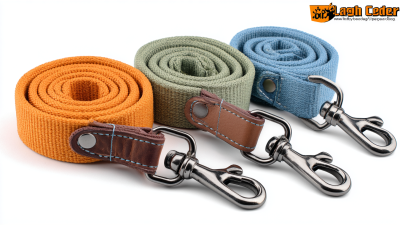
When buyers search for the China Best Dog Leash And Collar Manufacturer, “best” should mean more than a polished catalog. It should mean consistent materials, clear product specifications, and quality checks that hold up beyond a sample order. A leash may look sturdy online, yet feel awkward in the hand. A collar may have neat stitching, but still need careful review at the buckle and adjustment points.
Fit and everyday handling matter, too. Canine behavior expert Patricia McConnell writes, “The best way to get a dog to do something is to reward him for doing it.” That principle is a useful reminder: walking equipment should support calm, comfortable handling, not replace patient training. The right choice depends on the dog’s size, activity, coat, and walking habits. Small details matter.
This guide looks at how to assess a Dog Leash And Collar supplier through practical questions: What materials are used? How are seams, clips, and rings inspected? Can the manufacturer explain sizing and customization clearly? Reliable answers are more useful than broad promises. Buyers should compare samples, check finish consistency, and request specifications before placing larger orders. No checklist removes every risk; even careful reviews can miss a flaw that appears after repeated use. That is worth admitting. A dependable manufacturer earns trust through transparent communication, repeatable workmanship, and willingness to address problems—not claims of being perfect.
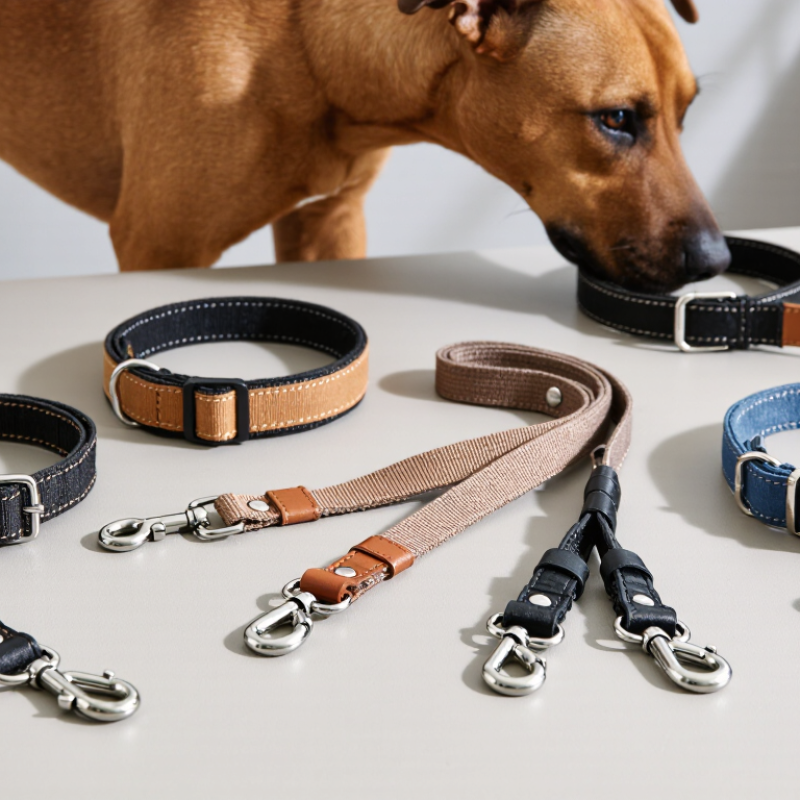
A leading dog leash and collar manufacturer in China does more than offer attractive colors. It can explain where webbing, thread, metal hardware, and coatings come from, then show how each batch is inspected. Ask for load-test results, stitch-strength checks, and buckle-cycle testing. A useful supplier also provides clear material specifications and keeps sample records. Small gaps matter: a smooth buckle can still fail when a wet leash is pulled sharply.
The American Pet Products Association’s 2024 State of the Industry report estimated U.S. pet-industry spending at $147 billion in 2023. This is not leash-specific data, but it signals strong demand for dependable pet products. Manufacturers should translate that demand into repeatable production, not just polished samples. Look for documented inspection procedures, traceable production lots, and realistic lead times. A quality-management certificate can support confidence, but it cannot replace product-level test evidence.
Tips: Request test records for the exact leash and collar materials you plan to order. Check stitching, adjusters, and metal rings on a sample, then ask how defects are handled. No sample tells the whole story. I would still verify a production batch before scaling an order.
| Evaluation dimension | What to assess | Useful evidence to request | Why it matters |
|---|---|---|---|
| Product and material knowledge | Ability to explain material choices for webbing, rope, leather, lining, thread, and hardware, including their intended use and care requirements. | Material specifications, product samples, care instructions, and documentation identifying material composition where relevant. | Material selection affects comfort, durability, maintenance, appearance, and suitability for different product designs. |
| Construction and workmanship | Consistency of seams, stitching, edge finishing, buckle fit, adjustment range, and attachment points across samples and production units. | Pre-production samples, approved construction details, inspection records, and agreed workmanship acceptance criteria. | Weak or inconsistent construction can affect product function and create avoidable quality complaints. |
| Strength and functional testing | Whether the finished leash or collar is tested for the relevant load, component function, and intended use, with acceptance limits agreed before production. | Test method, sample details, results, equipment calibration information, and written pass/fail criteria set for the product. | There is no single load rating suitable for every dog, design, or use; test requirements should match the product and buyer’s intended market. |
| Hardware and finish | Hook, ring, buckle, and adjuster operation; material and finish consistency; and suitability for expected exposure and care conditions. | Component specifications, functional checks, finish samples, and corrosion-test reports when a corrosion-resistance claim is required. ISO 9227 describes salt-spray test methods. | Hardware is a functional part of the product. A test method alone does not establish a universal pass level; exposure and acceptance criteria should be specified. |
| Chemical and market requirements | Ability to identify applicable legal and buyer requirements for the destination market and the specific materials or components used. | Relevant declarations, material information, and test reports from a competent laboratory when testing is applicable. Confirm scope, date, and tested sample identity. | Requirements vary by market, product composition, and intended claims; a generic certificate may not cover the finished product. |
| Quality management and traceability | Documented incoming-material checks, in-process inspections, final inspection, defect handling, and records linking production to materials and orders. | Quality procedures, inspection checklists, sample records, corrective-action examples, and batch or order traceability details. | A defined quality process makes it easier to identify and address recurring issues and verify consistency between orders. |
| Customization and production capability | Capacity to develop agreed sizes, colors, materials, packaging, and labeling, and to manage sample approval and design revisions. | Written specifications, prototype samples, approved artwork, revision records, and clear quotation details for order quantities and options. | Clear specifications reduce misunderstandings between product development, sampling, and bulk production. |
| Order planning and communication | Clarity on minimum order quantities, sample and production schedules, payment terms, packaging, shipping responsibilities, and change management. | A detailed quotation, written order confirmation, milestone updates, and documented handling of delays or specification changes. | Commercial terms and schedules differ by supplier and order; written confirmation helps buyers compare offers accurately. |
| Packaging and shipment readiness | Packaging protection, carton specifications, labeling accuracy, and preparation of shipment documents according to the agreed order and destination. | Packaging samples, carton and label details, packing list information, and a pre-shipment inspection record where requested. | Accurate packing and documentation support smoother receiving, inventory handling, and transport. |
| Supplier verification | Whether the supplier’s stated business scope, production resources, and subcontracting arrangements are consistent with the proposed order. | Business documentation, a video or in-person facility review, production-process details, and disclosure of any outsourced operations. | Independent verification helps buyers understand who will make the product and how production will be controlled. |
Note: Requirements and acceptance limits should be agreed in writing for the specific product, order, and destination market.