
$0.00
Keeping a fresh home while ensuring the comfort of our furry friends can be a challenge. One key element in maintaining this balance is choosing the right Odor Control Cat Litter. According to recent studies, over 70% of cat owners consider odor control as a top priority when selecting litter. Effective odor management not only improves the living environment but also enhances the well-being of both cats and their owners.
Leading brands invest in advanced technology to create litters that neutralize smells efficiently. Options like clumping clay and natural plant-based litters claim superior odor control abilities. Industry experts note that certain materials, such as activated charcoal, are particularly effective at absorbing odors. However, not all products deliver on their promises, making it vital for consumers to scrutinize labels and user reviews.
While many litters perform well initially, some may falter over time or cause discomfort to sensitive cats. It’s essential to evaluate the long-term effectiveness of odor control features. Cat owners are encouraged to experiment and find the best fit for their homes and their pets’ sensitivities. An informed choice can lead to a happier and fresher living space for all.
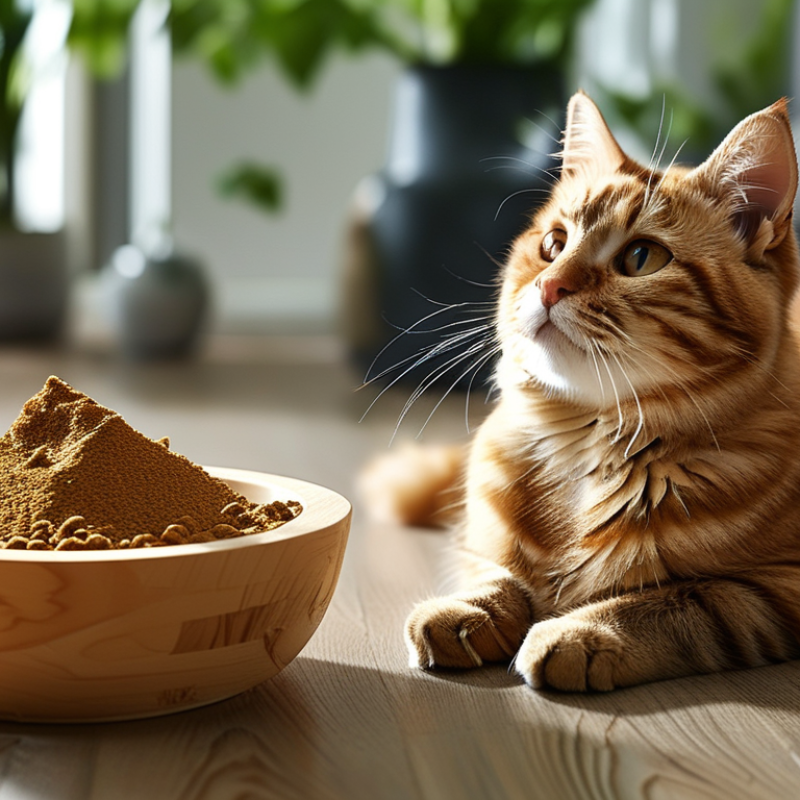
Maintaining a fresh home starts with effective odor control in cat litter. A study by the American Pet Products Association indicates that nearly 85 million households in the U.S. own cats. Many pet owners report that odors are a major concern when selecting litter. Understanding how various materials tackle odor can significantly impact the home environment.
Effective litter absorbs moisture and traps odors. Bentonite clay is popular for its clumping abilities. This feature makes it easier to remove waste while minimizing lingering smells. However, some litters might mask odors without truly neutralizing them. This can lead to the buildup of bacteria over time, which could worsen the problem. Hence, choosing a litter with natural odor-fighting properties is crucial.
Tips: Consider using litters made from natural ingredients. They often offer better odor control. Regularly change the litter box and clean it with mild detergent. This can decrease odors significantly. Ensure proper ventilation in the litter area. This helps that fresh air circulate and reduces any residual smells. Being mindful of these practices can lead to a happier home for both cats and their owners.
When it comes to odor control in cat litter, the materials used can make a significant difference. Common types of odor control materials include clay, natural additives, and synthetic compounds. Clay litter, especially sodium bentonite, is highly absorbent and effective at locking in odors. According to a recent report by the Pet Products Association, about 70% of cat owners prefer clay-based litter due to its strong clumping abilities and odor absorption.
Natural additives, such as baking soda or zeolites, are gaining popularity. These materials help neutralize odors without any synthetic chemicals. A study published in the Journal of Feline Medicine and Surgery highlighted that 35% of cat owners switched to natural litters for their eco-friendliness. However, some users report that these litters may require more frequent changing, which can be a hassle.
Synthetic odor control compounds are another option. These include activated charcoal or proprietary formulas designed for maximum absorption. While these may provide longer-lasting freshness, their effectiveness can vary significantly among brands. In fact, consumer surveys indicate that nearly 40% of cat owners who tried synthetic options were dissatisfied due to inconsistent results. It's essential to consider both odor control efficiency and the potential health implications for pets when selecting the right litter.
When choosing cat litter for odor control, several key features stand out. The first is clumping ability. Good clumping litter absorbs moisture quickly, forming solid clumps that make cleaning easier. This ensures that waste is contained, reducing odors significantly. A quick clean-up routine allows for a fresher environment, benefiting both cats and their owners.
Another important aspect is the material used in the litter. Natural materials, like clay or corn, tend to be more breathable and effective in controlling odors. They may not produce as much dust, which is better for both cats and humans. The texture also matters; some cats prefer softer granules, while others enjoy a more coarse feel. This personal preference can affect how often they use the litter box.
Finally, consider added odor controllers. Some litters include baking soda or activated charcoal, enhancing their ability to neutralize smells. However, not all additives work equally well for every household. It's essential to observe how your cat responds to different types of litter. Some cats might resist litter with strong scents or unfamiliar textures. Experimenting with different products can lead to discovering what works best for your cat and living space.
When selecting the best odor control cat litter, effectiveness is key. Studies show that effective odor control can reduce unpleasant smells by up to 80%. Many cat owners find themselves battling strong odors, leading to a less enjoyable home environment. Understanding the science of litter materials is essential. Some litters utilize clay, while others harness plant-based ingredients. Clay litters often have superior moisture absorption, while plant-based options appeal to environmentally conscious consumers.
A recent survey highlighted that 77% of cat owners consider odor control their top priority. This underscores the importance of selecting a product that meets this need. Many brands leverage activated charcoal or baking soda to neutralize odors. Both additives can improve performance significantly. Yet, not all litters perform the same, necessitating careful comparison and analysis.
**Tip: Regularly clean your cat's litter box to help maintain freshness.** Daily scooping can significantly reduce lingering odors.
**Tip: Experiment with different types of litter.** Your cat may prefer one type over another, and you might discover superior odor control with a different choice.
Ultimately, the journey to finding the ideal odor control cat litter is a process of trial and discovery. Keep in mind that not every product works for every household.
When it comes to maintaining a fresh home, choosing the right cat litter is essential. A litter that controls odors effectively can make a significant difference. Many cat owners overlook the importance of odor control, but it can turn a home from unpleasant to welcoming.
Consider using clumping litter. Clumping litter contains materials that absorb moisture and odors. This type creates solid clumps, making it easier to clean. Regularly scooping the litter box helps maintain freshness. Aim to scoop at least once a day for the best results.
Humidity can influence odor. Keeping the litter box in a well-ventilated area can help prevent smells from lingering. Adding a thin layer of baking soda beneath the litter can also enhance odor control. Remember, the box itself needs cleaning. Wash it weekly with mild soap.
Test different types until you find what works best for both you and your cat. Each cat has unique preferences, so be open to making changes if needed.