What Is the Best Freezing Weather Sleeping Bag from China?
Choosing the best Freezing Weather Sleeping Bag from China takes more than comparing prices or impressive temperature claims. A bag may look warm in a product photo, yet feel very different on a windy night. The right choice depends on expected temperatures, sleeping habits, campsite conditions, and the insulation inside.
Reliable specifications matter. Look for clearly stated comfort and limit temperatures, and check whether the ratings follow a recognized testing standard, such as ISO 23537 where applicable. Compare insulation type, fill weight, stitching, hood design, zipper protection, and packed size. A draft collar and a snug hood can make a noticeable difference when cold air slips around the shoulders. Small details count.
There is no single best bag for every camper. Down insulation can offer strong warmth for its weight, while synthetic fill may be more forgiving in damp conditions. However, performance depends on construction and care, not just the material name. Check the manufacturer’s information, request clear product details, and read reviews that describe actual temperatures and use. A low price alone proves little. Neither does a bold label.
This guide will examine how Chinese-made options compare across warmth, comfort, durability, and value. It will also point out where product claims deserve a closer look. Specifications can be incomplete, and even careful buyers may misjudge their needs. That deserves a second thought. Warmth is personal, and a sleeping pad, dry clothing, and shelter also affect comfort. The best choice is the one whose verified features match your real conditions—not simply the lowest number on a label.
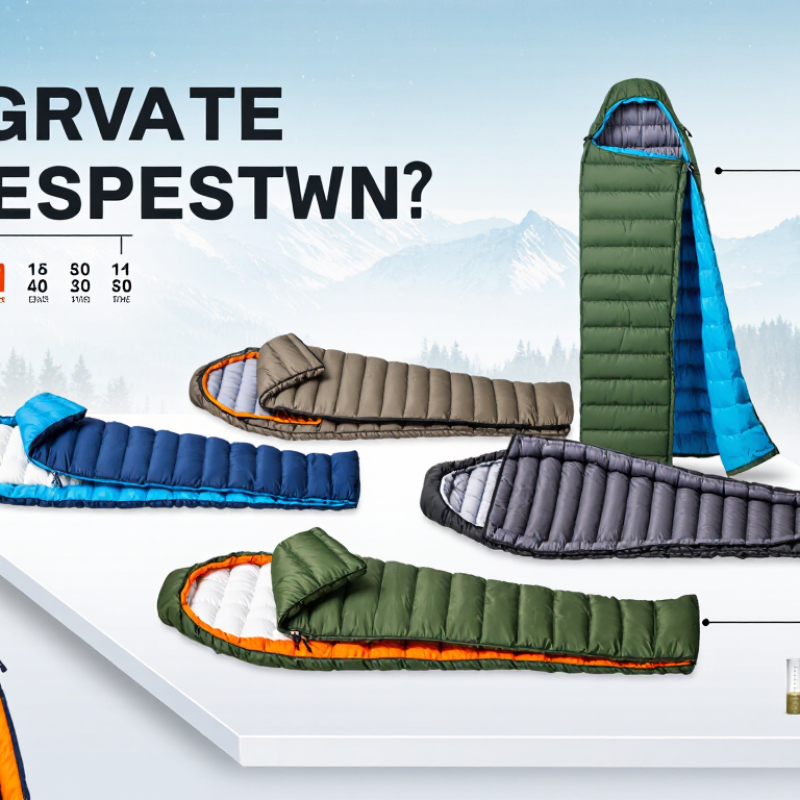
What Defines a Freezing-Weather Sleeping Bag?
A freezing-weather sleeping bag is defined by tested thermal performance, not by a dramatic “winter” label. ISO 23537-1:2022 uses a heated thermal manikin to measure insulation under controlled conditions. Its comfort rating estimates the lower temperature at which a standard woman can sleep comfortably; the limit rating estimates this for a standard man in a curled position. These are test profiles, not promises for every body.
Know the difference. The extreme rating is a survival-risk indicator, not a safe target for a planned night outdoors. Cold wind, damp clothing, fatigue, and a thin sleeping pad can all make a bag feel colder. A pad’s insulation matters because the compressed fill beneath your body traps less warmth. Check the rating system, too: numbers from different standards may not be directly comparable. ISO 23537-1:2022 is the relevant technical reference for adult sleeping-bag testing, but even a standardized test cannot reproduce every campsite. A little uncertainty remains. Choose a comfort rating below your expected overnight low, then account for your pad, clothing, and personal cold sensitivity.
How to Assess Temperature Ratings and Insulation Types
Choosing the best freezing-weather sleeping bag from China starts with reading temperature ratings carefully. A comfort rating suggests the temperature where an average sleeper may rest comfortably. The lower limit indicates a curled sleeping position, not relaxed sleep. Extreme ratings only describe survival risk, not usable comfort. Look for testing based on EN ISO 23537 or an equivalent standard. Some listings provide impressive numbers without clear laboratory evidence. That deserves caution.
Insulation type changes performance. Down is light, compressible, and highly efficient in dry, cold conditions. However, moisture can reduce its loft quickly. Synthetic insulation usually handles damp air better and dries faster. It is often heavier and bulkier.
I have found that a well-shaped hood, insulated zipper, and draft collar can matter as much as filling weight. A narrow foot box saves heat, but may feel restrictive.
My own judgment is not perfect; personal metabolism, clothing, and fatigue can shift comfort by several degrees.
Tips:
Compare the comfort rating, not only the lowest number.
Check the fill weight and insulation distribution.
Ask for test documentation and material details.
Pack a sleeping pad with a suitable R-value, because the ground can steal heat rapidly.
A bag rated for minus ten degrees Celsius may feel cold near zero degrees in wind or damp conditions.
Leave room for a fleece layer, but avoid compressing the insulation.
Test the zipper, hood adjustment, and stitching before a remote trip.
Which Materials and Features Matter in Chinese Sleeping Bags?
For freezing weather, material choice matters more than a low factory price. Chinese sleeping bags may use duck down, goose down, or synthetic insulation. Down offers excellent warmth and packs smaller. However, it loses efficiency when wet. Synthetic filling stays warmer in damp conditions, but it weighs more and compresses less.
Look for responsibly tested insulation, not vague claims like “extreme warm.” Fill power, fill weight, and loft should appear in the product specifications. A bag with 700-fill down can still feel cold if it contains too little filling.
Temperature ratings should follow recognized laboratory methods, such as ISO 23537. They are guides, not promises. Personal metabolism, clothing, and sleeping pads change real comfort.
The shell fabric should resist wind and light moisture. Nylon with a tight weave often balances durability and weight. Water-resistant treatments help, but they do not replace a waterproof shelter. Useful features include a shaped hood, insulated draft collar, full-length zipper, and a draft tube behind it. Sturdy baffles prevent cold gaps. I would also inspect stitching and zipper movement before purchase. Small defects matter in freezing air. Chinese factories can produce excellent sleeping bags, but quality control varies between suppliers. Request material samples, laboratory reports, and independent inspection photos. A warm design can still fail when the hood cord slips or the zipper snags.
How to Check Safety, Quality, and Manufacturer Reliability
What Is the Best Freezing Weather Sleeping Bag from China?
Choosing a freezing-weather sleeping bag requires more than reading the lowest temperature online. Check whether the temperature rating follows ISO 23537 or another recognized testing method. Ratings may describe comfort, limit, or extreme conditions. These terms are not interchangeable. For safer use, choose a bag with a comfort rating below your expected nighttime temperature. Cold exposes weak work.
Inspect the filling, stitching, hood, foot box, and zipper in clear detail. Down should feel evenly distributed, without empty sections or hard clumps. Synthetic insulation should recover after compression. Check the shell fabric for tight weaving and a reliable water-resistant finish. Examine every seam. Loose threads can become larger tears during a winter trip. Ask for test reports, material specifications, production records, and batch inspection results. A serious manufacturer should provide clear answers, not only attractive product photographs.
Manufacturer reliability needs practical verification. Request a sample before placing a larger order, then compare its weight, loft, measurements, and temperature claims with the factory documents. Ask how insulation is stored, how workers prevent filling contamination, and how defects are recorded. Factory audits can reveal useful details, but one visit cannot prove permanent consistency. I would also test the sample in controlled cold conditions, while remembering that wind, moisture, clothing, and personal metabolism change the result. My own judgment can be imperfect. That is why repeat measurements, traceable records, and honest limitations matter more than confident sales language.
Choosing a Freezing-Weather Sleeping Bag: What to Verify
How to use this checklist: These are verification steps, not product scores. Confirm the bag’s comfort rating using ISO 23537 or an equivalent standardized test, and compare it with the coldest expected conditions. Check insulation and construction details, request traceable test documentation, and verify the manufacturer’s identity and quality-control process. A temperature rating is not a guarantee of safety in every situation.

