Top Dog Accessories from China for Global Buyers?
Global buyers are looking beyond attractive packaging when sourcing Dog Accessories from China. They want safer materials, consistent quality, reliable documentation, and designs that suit different breeds. The American Pet Products Association reported that United States pet industry spending reached $152 billion in 2024. That figure signals resilient demand, but it does not guarantee success for every supplier. Product details still matter.
Grand View Research estimates that the global pet accessories market will continue expanding through the decade, supported by premium products, online retail, and rising pet ownership. China remains important because its manufacturers can offer broad product ranges, including adjustable harnesses, washable beds, travel bowls, reflective leads, and interactive toys. Yet low prices alone are becoming a weak selling point. Buyers increasingly examine stitching strength, odor, packaging durability, and traceable material specifications. Small defects become expensive after international shipping.
Mark Cushing, a recognized pet-industry strategist, has described the sector clearly: “The pet industry is recession-resistant, not recession-proof.” His comment deserves reflection. Demand may remain stable, but careless purchasing decisions can still damage margins and brand trust. A supplier’s factory audit, sample testing, production communication, and after-sales response should therefore receive equal attention.
This guide examines practical sourcing opportunities for global buyers. It also considers the less comfortable questions. Is the product genuinely durable? Can the supplier repeat the same quality? Are sustainability claims properly supported? Some assumptions may prove wrong. That is why experienced buyers compare evidence, not promises, before selecting Dog Accessories from China.
What Makes Chinese Dog Accessories Popular Worldwide
What Makes Chinese Dog Accessories Popular Worldwide
Chinese dog accessories have gained global attention through practical design, flexible production, and competitive pricing. Buyers often find collars, harnesses, beds, bowls, and travel products in many sizes. Small details matter. Adjustable straps help different breeds fit comfortably. Reflective stitching improves visibility during evening walks. Washable fabrics also suit busy households.
China’s mature manufacturing network supports this variety. Suppliers can source nylon, stainless steel, recycled fabric, and soft padding efficiently. Many factories accept custom colors, packaging, measurements, and private labels. This helps retailers test smaller product lines before ordering larger quantities. Production teams may also suggest stronger buckles or reinforced seams after reviewing sample feedback. These details show useful technical experience.
However, affordability should not replace careful inspection. A low-cost leash may still have weak stitching or an uncomfortable handle. Samples need testing under realistic pulling, washing, and storage conditions. Buyers should request material information, size charts, inspection records, and clear shipping terms. Communication can be efficient, but misunderstandings still happen across languages and time zones. I would not approve a large order from photos alone. One overlooked measurement can create returns, waste, and unhappy dogs. Safety claims also need evidence, not attractive wording.
Key Categories of Dog Accessories Available from China
Top Dog Accessories from China for Global Buyers?
Key Categories of Dog Accessories Available from China
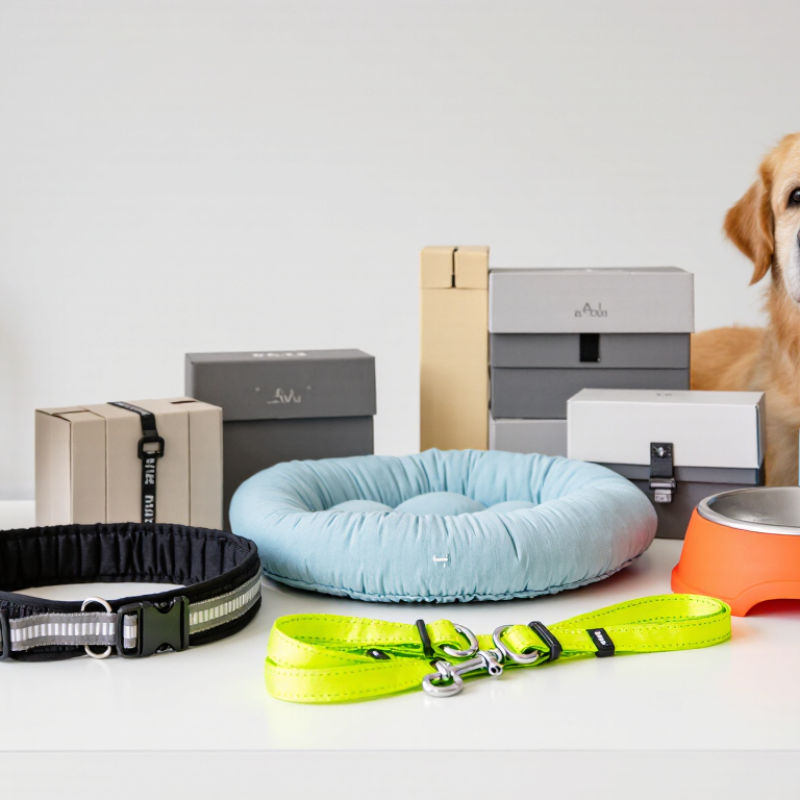
China’s dog accessory market covers practical products for homes, travel, training, and daily care. Buyers can source collars, leashes, harnesses, and adjustable walking sets in many materials. Nylon remains popular because it is light, washable, and easy to customize. Biodegradable or recycled fabrics are also appearing, though their quality varies.
Comfort products form another major category. These include washable beds, cooling mats, blankets, crates, and portable carriers. Feeding supplies range from stainless steel bowls to slow-feeding dishes, silicone travel cups, and storage containers. Grooming collections may include brushes, nail clippers, bathing gloves, and drying towels. Chew toys, fetch toys, puzzle feeders, and rope toys serve different activity levels.
Safety needs close attention.
Travel accessories should have secure closures, strong stitching, and breathable panels. Reflective strips can improve visibility during evening walks. For toys, buyers should examine seams, material odor, and small detachable parts. Not every attractive sample performs well after repeated washing or pulling. This is easy to overlook. Product inspections, material records, size charts, and pre-shipment testing help reduce uncertainty. A useful sourcing process also checks packaging strength and consistent measurements across batches. The cheapest option may create higher replacement costs later. That lesson is not always obvious from a sample.
Top Dog Accessories from China for Global Buyers
Key Categories of Dog Accessories Available from China
Indicative China wholesale price benchmarks for commonly sourced dog accessory categories, shown in USD per unit. Actual prices vary by material, size, customization, packaging, and order volume.
Harnesses, beds, grooming products, and feeding accessories generally offer higher unit values, while collars, leashes, and toys are commonly used for volume-oriented purchasing.
Materials, Safety Standards, and Product Quality
Top Dog Accessories from China for Global Buyers?
Materials and safety should guide every sourcing decision, not only the purchase price. The American Pet Products Association reported that U.S. pet industry spending reached $147 billion in 2023. This demand encourages faster production, but speed can weaken inspection discipline. In practical sourcing work, I examine nylon density, stitching strength, buckle performance, and exposed metal edges. Polyester is common and affordable, while natural rubber may suit chew toys better. However, material claims need evidence, not attractive catalog language.
Safety testing must match the destination market. Buyers should request laboratory reports for heavy metals, phthalates, formaldehyde, and restricted dyes. EU imports may require REACH compliance, while products for the United States can involve CPSIA requirements. ISO 8124 testing may help assess certain toy-related hazards, but it does not replace local legal review. The OECD’s Due Diligence Guidance also supports traceable supply chains and responsible supplier checks. A certificate can be genuine yet outdated. That detail is often missed.
Tips: Ask for batch-level test reports, not generic files. Check leash load strength with a realistic dog weight. Inspect three production samples, including one from the carton’s center. Photograph packaging, labels, seams, and warning instructions. Leave room for improvement; even a strong factory can produce inconsistent batches.
How Global Buyers Can Evaluate Chinese Suppliers
Top Dog Accessories from China for Global Buyers
How Global Buyers Can Evaluate Chinese Suppliers
Reliable sourcing begins with evidence, not attractive product photos. Ask suppliers for material specifications, factory details, production capacity, and recent quality records. A supplier selling collars, harnesses, beds, or travel bowls should explain construction clearly. Check stitching, buckle strength, coating safety, and washable fabric performance.
Request samples from the same production line used for larger orders. Inspect loose threads, sharp edges, odor, packaging damage, and size accuracy. Test closures repeatedly. Measure the products yourself. Small differences can create returns later. A polished factory video is not proof of production quality. I have seen impressive samples fail when bulk items used thinner materials. That mistake is expensive.
Supplier evaluation should include a video inspection or independent factory audit. Confirm whether the company manufactures products or coordinates outside workshops. Review business licenses, export experience, product testing documents, and quality-control procedures. Ask how defects are recorded and corrected. Clear answers matter. Vague promises deserve caution. Discuss minimum order quantities, lead times, replacement policies, labeling, and carton protection in writing. Also compare communication speed across several weeks, not one enthusiastic call. Some buyers focus heavily on price and regret ignoring packaging or inspection costs. A lower quote may hide weaker hardware, slower production, or inconsistent sizing. Keep a written checklist, approve a pre-production sample, and use independent inspection before shipment.
Ordering, Customization, and International Shipping Considerations
Top Dog Accessories from China for Global Buyers?
China-made dog accessories can serve global buyers when sourcing starts with use, not decoration. The American Pet Products Association reported U.S. pet spending of $152 billion in 2024. That demand supports practical products, including adjustable harnesses, washable beds, and spill-resistant travel bowls. Buyers should request material specifications, size charts, test reports, and production samples. A polished catalog is not evidence. Samples matter.
Customization requires more than adding a logo. Confirm artwork formats, colorfastness, stitching strength, buckle performance, packaging, and minimum order quantities. Ask whether the factory can repeat the approved sample consistently. Custom colors may increase production time and create leftover inventory. I would not trust the first sample too quickly. It can hide uneven seams or inaccurate measurements. Independent testing may be sensible for products touching skin or used by young animals. Requirements differ by destination, so local compliance review remains essential.
Shipping plans should include carton dimensions, gross weight, product classification, commercial invoices, packing lists, and clear Incoterms. UNCTAD’s Review of Maritime Transport 2024 states that over 80% of global merchandise trade by volume moves by sea. Ocean freight usually lowers unit cost, but it needs more time and stronger moisture protection. Air freight is faster, yet dimensional weight can surprise new buyers. Build a buffer for port delays, customs questions, duty changes, and damaged cartons. The cheapest quote is often incomplete.