
$0.00
Choosing the right Compression Ankle Wrap can feel simple until fit, fabric, and shipping conditions enter the picture. A wrap that supports one ankle may feel restrictive on another. This guide examines ten practical options for global buyers, focusing on compression strength, breathability, adjustability, durability, and everyday comfort.
Real-world details matter. A useful wrap should stay secure during walking, light exercise, or long hours at a desk. Wide hook-and-loop straps can help users adjust pressure around a swollen ankle. Soft, moisture-wicking fabric may reduce irritation in warm climates. However, product claims are not always equally reliable. We compare published specifications, construction details, user feedback, and brand transparency instead of trusting appearance alone.
Fit comes first.
Buyers should check size charts carefully and measure the ankle at the recommended point. Some designs cover the heel, while others leave it open for easier movement. That difference can affect comfort inside work shoes or travel footwear. International customers should also review return policies, care instructions, delivery times, and available certifications.
This overview is intended for informed product selection, not medical diagnosis. People with persistent swelling, numbness, circulation concerns, or recent injuries should seek qualified medical advice before using compression. Even experienced users can choose an unsuitable level of pressure. We may not identify every weakness in each product, but we highlight meaningful trade-offs clearly. The best option is rarely the most expensive one. It is the wrap that fits securely, supports the intended activity, and remains comfortable after hours of use.
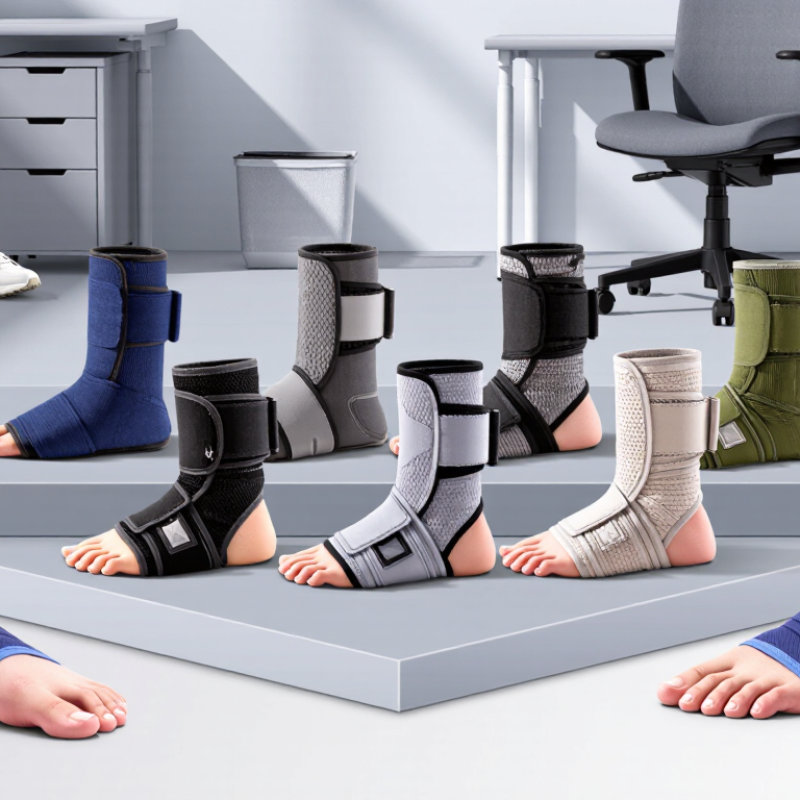
Compression ankle wraps are adjustable supports designed to apply gentle pressure around the ankle and lower foot. They usually use elastic fabric, hook-and-loop closures, or layered straps. Unlike rigid braces, they allow more movement while limiting swelling and improving perceived stability.
The pressure can encourage fluid movement through soft tissues. It may also provide mild sensory feedback, helping users notice ankle position during walking or exercise. Fit matters more. A wrap should feel secure, not painfully tight, numb, cold, or tingly. Skin should remain its normal color. Put it on with the ankle in a neutral position, then walk briefly and reassess the pressure.
Practical testing matters. A buyer should check measurement instructions, material breathability, wash durability, and whether the design fits either ankle. Swelling can change during the day, so an apparently correct size may feel different later. This is easy to overlook. Compression is not automatically suitable for people with poor circulation, unexplained swelling, open wounds, reduced sensation, or certain vascular conditions. Professional advice is appropriate in those situations. A wrap may reduce discomfort, but it does not diagnose or repair an injury. Evidence and personal comfort should guide selection, rather than marketing claims or the tightest possible fit.
Choosing among the 10 best compression ankle wraps requires more than checking the price. Fit should come first. Measure the ankle at its widest point and compare it with the seller’s size chart. A wrap that slides during walking offers little support. One that leaves deep marks may restrict circulation. Adjustable straps help users fine-tune pressure around swelling or activity.
Material also matters. Look for breathable, moisture-wicking fabric if the wrap will be worn under socks. Soft edges reduce rubbing near the heel and Achilles tendon. Flat seams are useful during long workdays or travel. Check whether the compression level is clearly stated, rather than described with vague words like “strong” or “maximum.” Medical-grade compression may require professional guidance, especially for people with circulation problems, diabetes, or unexplained swelling.
Tips: Test the wrap for 20 minutes at home. Check your skin, comfort, and toe color. The ankle should feel supported, not numb or cold. A washable design is more practical for regular use. Read return terms carefully, because sizing charts are not perfectly consistent across countries. I have seen buyers focus on firm support and overlook heat buildup. That choice can become uncomfortable quickly. If pain increases, remove the wrap and seek qualified medical advice.
| No. | Wrap Profile | Typical Compression | Support Structure | Common Materials | Closure Type | Typical Size Range | Best Use |
|---|---|---|---|---|---|---|---|
| 1 | Light Daily Compression Wrap | 8–15 mmHg | Flexible compression with unrestricted ankle movement | Nylon, polyester and elastane blend | Pull-on sleeve | Ankle circumference: approximately 18–24 cm | Daily walking, travel and mild swelling |
| 2 | Adjustable Recovery Wrap | 15–20 mmHg | Moderate compression with adjustable tension | Breathable nylon, elastane and soft inner lining | Hook-and-loop straps | Ankle circumference: approximately 20–30 cm | Post-exercise recovery and changing swelling levels |
| 3 | Sports Stability Wrap | 15–25 mmHg | Elastic figure-eight strapping for lateral stability | Polyester, elastane and reinforced webbing | Cross-over straps with hook-and-loop fastening | Ankle circumference: approximately 20–32 cm | Training, court sports and light activity support |
| 4 | Low-Profile Under-Shoe Sleeve | 10–20 mmHg | Uniform compression without rigid stabilizers | Thin polyamide and elastane knit | Seamless pull-on design | Ankle circumference: approximately 18–28 cm | Work shoes, commuting and discreet daytime wear |
| 5 | Lace-Up Ankle Support Wrap | 15–25 mmHg | Lace-adjusted compression with reinforced side panels | Neoprene, nylon mesh and polyester laces | Lacing system with top strap | Foot or ankle circumference: approximately 20–34 cm | Users seeking a firm, customizable fit during activity |
| 6 | Post-Injury Stabilizing Wrap | 20–30 mmHg | Compression with removable semi-rigid side stays | Neoprene, nylon, elastane and plastic stays | Adjustable hook-and-loop straps | Ankle circumference: approximately 21–33 cm | Short-term support after minor strains, subject to professional advice |
| 7 | Open-Heel Compression Wrap | 15–20 mmHg | Ankle-focused compression with exposed heel area | Nylon, spandex and moisture-wicking knit | Pull-on sleeve with adjustable top strap | Ankle circumference: approximately 18–29 cm | Activities requiring heel mobility and improved ventilation |
| 8 | Thermal Neoprene Wrap | 10–20 mmHg | Moderate compression with warmth and flexible cushioning | Neoprene with nylon fabric lining | Adjustable wraparound strap | Ankle circumference: approximately 20–31 cm | Cold environments, light activity and warmth-focused comfort |
| 9 | Breathable All-Day Wrap | 8–15 mmHg | Light compression with flexible arch and ankle coverage | Polyester mesh, elastane and moisture-wicking fibers | Pull-on sleeve | Ankle circumference: approximately 18–27 cm | Extended wear in warm climates and humid conditions |
| 10 | Heavy-Duty Adjustable Wrap | 20–30 mmHg | Firm compression with broad stabilizing straps | High-density nylon, elastane and padded foam | Multiple hook-and-loop straps | Ankle circumference: approximately 22–36 cm | Higher-support needs, prolonged standing and demanding work |
Choosing the right compression ankle wrap starts with the support problem, not the product label. Mild swelling may need gentle, even compression after standing or travel. An unstable ankle needs firmer structure and adjustable straps. Pain after sport can require targeted support, but compression alone will not correct an untreated injury.
Fit matters more than appearance. Measure the ankle at the narrowest point, preferably in the morning. Compare that measurement with the maker’s size chart. A wrap should feel secure, never numb or painfully tight. You should still move your toes freely. Look for breathable fabric in warm climates and quick-drying material for frequent use. Soft edges help prevent rubbing around the heel.
Support needs can change during recovery. A rigid wrap may suit short activity periods, while a flexible sleeve may feel better for daily movement. This choice is not always obvious. Check skin color, temperature, and sensation after ten minutes. Remove the wrap if swelling increases, tingling appears, or the skin becomes pale. People with circulation problems, diabetes, open wounds, or unexplained swelling should ask a qualified healthcare professional before using compression. A wrap can support movement, but it cannot replace diagnosis, rehabilitation, or medical advice.
Choosing among the 10 Best Compression Ankle Wraps for Global Buyers requires more than checking price or appearance. The World Health Organization reports that 1.71 billion people live with musculoskeletal conditions worldwide. This broad need makes fit, comfort, and clear product information essential. Look for adjustable compression, breathable fabric, reinforced stitching, and sizing based on ankle measurements. A wrap should feel supportive, not painfully tight. It should also stay stable during walking.
Clinical guidance matters. The National Institute for Health and Care Excellence recommends caution with compression when circulation problems are suspected. Buyers should check pressure ratings and seek professional advice before use. For international purchases, review fiber content, washing instructions, return policies, and measurement units. Some listings remain vague. That is a problem. A product described as “medical grade” should provide traceable testing details, not only attractive packaging.
Tips: Measure the ankle at the recommended point, preferably in the evening. Compare the result with the seller’s chart. Test the wrap for short periods first. Stop using it if numbness, unusual coldness, skin discoloration, or increasing pain appears. Compression performance can change after repeated washing, so inspect the elastic edges regularly. I would not trust one universal size for every body shape; that assumption often fails in real use. Check local import rules and textile labeling before ordering across borders.
Comparison based on common market specifications, including compression level, adjustability, breathability, and intended use. Compression values are typical product ranges and may vary by size and manufacturer.
Higher compression can provide stronger support, while breathable and highly adjustable designs are generally more suitable for extended daily wear. Users with circulation problems should consult a healthcare professional before using compression products.
Choosing the right compression ankle wrap begins with accurate measurement. Measure the narrowest part of the ankle, preferably in the morning, when swelling is usually lower. Compare that measurement with the seller’s sizing chart, not just your shoe size. Different manufacturers use different compression levels and dimensions. If you are between sizes, professional advice is safer than guessing.
Wear the wrap smoothly, with the heel and ankle positioned correctly. Wrinkles can create pressure points, especially around the Achilles tendon. The wrap should feel supportive, never painfully tight. Check your toes after several minutes. They should remain warm and normally colored. Remove it if you notice numbness, increasing pain, or unusual swelling. People with diabetes, poor circulation, open wounds, or recent surgery should ask a qualified clinician before use. A common fitting mistake is choosing stronger compression when a better fit is actually needed.
Clean the wrap after regular use with cool water and mild soap. Gently press out water; do not twist it. Let it air-dry flat, away from radiators and direct heat. Avoid bleach, fabric softener, and tumble drying because they can weaken elastic fibers. Inspect the seams and fastening areas each week. Replace the wrap when it becomes loose, stretched, frayed, or difficult to secure. Many wraps last three to six months, but frequent washing and daily wear may shorten that period. Keep a spare. That small habit is easy to overlook.