What Are the Benefits of Using Knit Cotton Fabric in Apparel?
The fashion industry is increasingly turning to knit cotton fabric for its numerous advantages. This versatile material combines comfort with durability, appealing to both designers and consumers. A report from the Cotton Incorporated Lifestyle Monitor™ found that 69% of consumers prefer cotton for its softness and breathability.
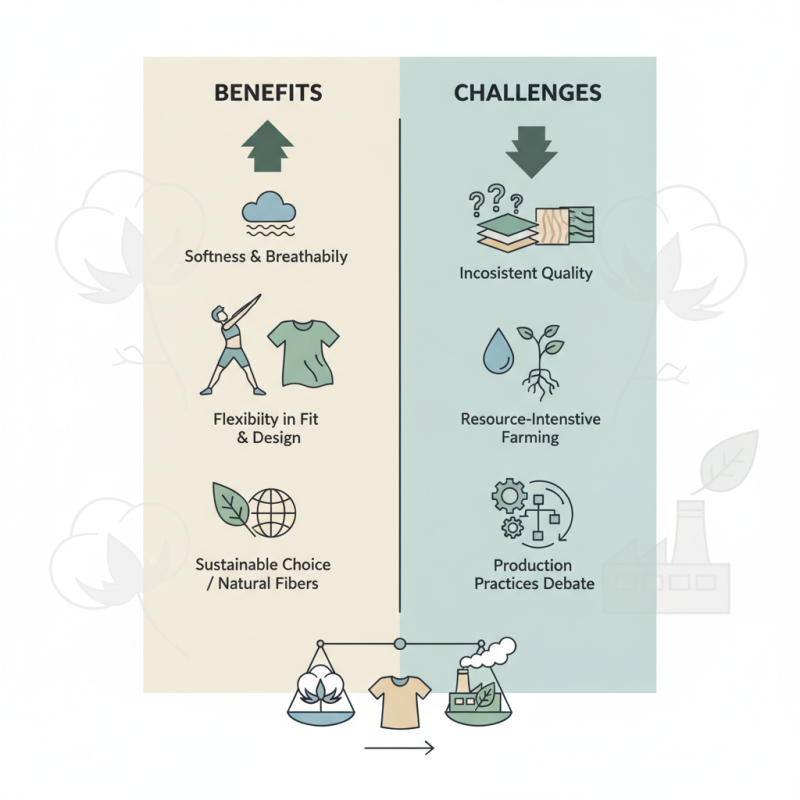
Knit cotton fabric is prized for its flexibility in fit and design. It stretches easily, making it ideal for activewear and casual apparel. As consumers become more eco-conscious, cotton's natural fibers provide a sustainable choice compared to synthetic alternatives. However, reliance on knit cotton fabric also poses challenges. Not all knit varieties offer the same quality, leading to inconsistent performance in wear and wash.
This material's benefits must be weighed against production practices. Industry reports highlight that cotton farming can be resource-intensive, sparking debates on sustainable sourcing. Despite its drawbacks, knit cotton fabric remains a significant player in apparel design, blending functionality with style. Ensuring its sustainable future requires ongoing reflection and improvement in manufacturing processes.
Definition and Characteristics of Knit Cotton Fabric
Knit cotton fabric is a versatile material used in many types of clothing. It blends comfort with elasticity. This fabric is made by interlocking yarns, creating a soft texture that gently stretches. The result is a breathable material that suits different weather conditions. You will find it in t-shirts, activewear, and even casual dresses.
One defining trait of knit cotton is its ability to retain shape. This means garments can hold up well after multiple washes. However, one has to be cautious about pilling, which can detract from the fabric's look. Knit cotton's moisture-wicking properties make it ideal for exercise clothing. It can absorb sweat while allowing air to circulate.
Its softness is appealing, but not all knit cotton fabrics are created equal. Some may feel rough or lose shape over time. It’s important to choose quality sources for better longevity. Overall, knit cotton combines aesthetics with functionality, though careful selection is key.
What Are the Benefits of Using Knit Cotton Fabric in Apparel?
| Characteristic | Description | Benefits |
| Softness | Knit cotton fabric is known for its soft and comfortable texture. | Provides comfort for everyday wear and is suitable for sensitive skin. |
| Breathability | Allows air circulation, reducing moisture buildup. | Keeps the wearer cool and dry, ideal for warm climates. |
| Elasticity | Offers great stretch and recovery, adapting to body movements. | Enhances fit and comfort, suitable for activewear and fitted clothing. |
| Durability | Knit cotton is strong and resistant to tearing and fraying. | Ensures longer-lasting garments, maintaining appearance over time. |
| Versatility | Can be used in a variety of apparel styles, from t-shirts to dresses. | Caters to different fashion trends, making it highly fashionable. |
| Maintenance | Easy to wash and care for, retaining shape and color. | Saves time and effort in garment care. |
Comfort and Breathability of Knit Cotton in Apparel
Knit cotton fabric is renowned for its exceptional comfort. When worn against the skin, it feels soft and gentle. This makes it a preferred choice for everyday wear. The fabric has a natural stretch that accommodates different body shapes. It clings without restricting movement, allowing for a relaxed fit that many find appealing.
Breathability is another standout feature of knit cotton. The weave of the fabric allows air to circulate freely. This keeps the body cool and dry, even in warm conditions. For activities such as exercise or casual outings, knit cotton is ideal. It absorbs moisture effectively, helping to manage sweat. However, not all knit cotton is created equal. Some blends may not offer the same level of ventilation, so it’s important to check fabric specifics.
While knit cotton has many advantages, it can also have drawbacks. For example, some knit cotton fabrics may pill over time. This can detract from their appearance and feel. Regular care and washing are essential to maintaining their look. Balancing comfort and longevity can require some effort, but the rewards are worth it.
Durability and Longevity of Knit Cotton Fabric
Knit cotton fabric is highly regarded for its durability and longevity in the apparel industry. Unlike woven fabrics, knit cotton has a unique structure that allows it to stretch and retain its shape over time. According to a recent textile report, knit cotton can withstand multiple wash cycles without significant wear. This durability makes it a preferred choice for everyday garments.
Research highlights that knit cotton can last 20% longer than its woven counterparts. This is particularly beneficial for consumers seeking quality and sustainability in their clothing. A study showed that garments made from knit cotton maintain their fit and feel over time, contributing to less frequent replacements. However, while the longevity of knit cotton is impressive, it is essential to consider factors like care instructions. Improper washing can still lead to deterioration, regardless of the fabric's inherent durability.
Additionally, the environmental impact of production is something to reflect on. The cultivation of cotton consumes water and resources. Balancing durability with ecological responsibility is crucial in today's industry. As consumers lean towards sustainable choices, manufacturers must adapt to meet these needs while maintaining the integrity of their knit cotton products. This ongoing challenge highlights the need for continued innovation in fabric technology.
Benefits of Using Knit Cotton Fabric in Apparel
Versatility of Knit Cotton for Different Clothing Styles
Knit cotton fabric stands out for its versatility in apparel design. This fabric can easily transition between casual and formal wear, making it a staple in many wardrobes. Its soft, stretchy nature allows for comfortable fits, which is especially beneficial in activewear and everyday clothing. According to a report by Grand View Research, the global market for knit fabrics is estimated to reach USD 90 billion by 2025, highlighting a growing preference among consumers for this type of material.
When considering design options, knit cotton adapts well to various styles. It can create fitted silhouettes or relaxed designs, appealing to diverse fashion tastes. This adaptability is crucial as consumers seek unique yet practical clothing. Studies have shown that versatility in fabric can influence purchase decisions, making knit cotton a smart choice for designers.
**Tips**: For those creating clothing lines, mix colors and patterns to appeal to a broader audience. Prioritize comfort without sacrificing style. Remember that sustainable practices can enhance product appeal, as more consumers are choosing eco-friendly options.
Environmental Benefits of Using Knit Cotton in Fashion
Knit cotton fabric is becoming a popular choice in the fashion industry, particularly for its environmental benefits. This fabric is breathable and comfortable, making it ideal for everyday wear. It is made from natural fibers, reducing reliance on synthetic materials. This aspect not only helps protect ecosystems but also promotes sustainable agriculture.
Using knit cotton can significantly lower the carbon footprint of apparel production. Traditional textile manufacturing often involves high energy consumption and water usage. In contrast, knit cotton can be produced using eco-friendly methods, making it a better option for the planet. Choosing organic knit cotton further enhances these advantages, as it reduces chemical inputs that can harm the environment.
When shopping for knit cotton clothing, consider looking for certifications. This can help you choose brands that prioritize sustainable practices. Additionally, you might want to explore upcycling options. Transforming old knit cotton items can breathe new life into your wardrobe while minimizing waste. Small steps like these can contribute to a larger positive impact on the environment.

