2026 Top Custom Dog Collars What to Choose for Your Pet?
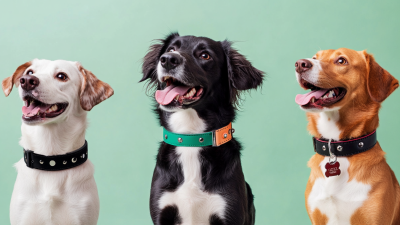
Choosing the perfect collar for your pet can feel overwhelming. The world of Custom Dog Collars offers a plethora of options. Expert designer Mia Robinson emphasizes, “A collar is not just an accessory; it’s an expression of your pet’s personality.” This sentiment highlights the significance of personalization in pet care.
Custom Dog Collars are available in various materials, styles, and colors. From durable nylon to luxurious leather, selections can vary widely. Many collars can also be customized with your pet’s name or your contact information. This ensures safety and adds a unique touch.
However, not all custom collars are of high quality. Some may fade quickly or fray after limited use. It’s crucial to balance aesthetics with durability. Can a pretty collar endure the rough play? Reflecting on these aspects leads to better choices that acknowledge your pet’s needs over mere looks. The right collar can enhance your pet's style while ensuring comfort and safety.
Factors to Consider When Choosing Custom Dog Collars for 2026
When selecting a custom dog collar in 2026, several factors can shape your decision. The collar’s material is crucial. Leather, nylon, and fabric are common choices. Leather offers durability but can be pricey. Nylon is affordable and comes in various colors. Fabric collars can be trendy but might wear out quickly. Take your dog's comfort into account. A collar that’s too tight can cause irritation. Conversely, a loose collar can slip off easily.
Customization options add a personal touch. Think about including your dog's name or your contact information. The font and color of text can enhance the collar's look. However, too much embellishment may detract from its function. Pay attention to the collar's width and buckle type. A wide collar distributes pressure better. Snap buckles are easy to use but might fail if not secured properly.
Reflecting on your dog’s daily activities is key. If your dog loves rough play, sturdier materials are essential. Consider their coat type, as some collars may irritate sensitive skin. Balancing style and function can be tricky. A collar should be both fashionable and practical, but this is not always easy to achieve. Your choices should prioritize safety and comfort above all.
2026 Top Custom Dog Collars - Factors to Consider When Choosing Custom Dog Collars for 2026
| Feature |
Description |
Importance Level |
| Material |
Durable materials such as nylon, leather, or neoprene |
High |
| Adjustability |
Customizable size for comfort and security |
Medium |
| Design |
Personalized styles, colors, and patterns |
High |
| Safety Features |
Breakaway closures, reflective stitching |
Very High |
| Cost |
Price range suitable for all budgets |
Medium |
| Ease of Cleaning |
Machine washable or easy wipe materials |
Medium |
Popular Materials for Custom Dog Collars: Pros and Cons
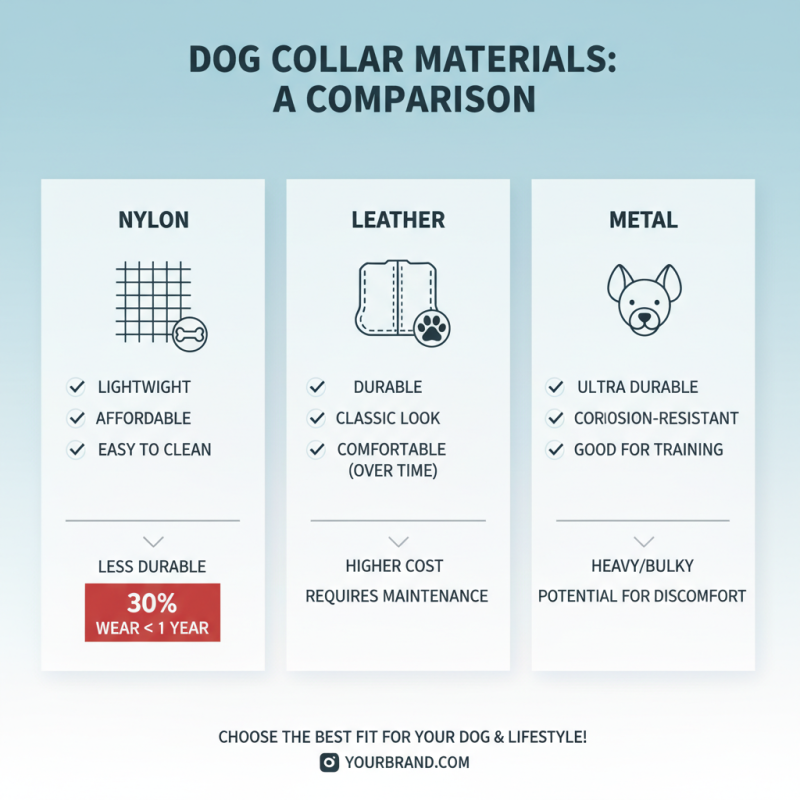
When choosing a custom dog collar, material plays a crucial role. Popular options include nylon, leather, and metal. Each has its benefits and downsides, making the decision complex. For instance, nylon is lightweight and affordable. It's also easy to clean. However, it may not last as long as leather. A study showed that users found nylon collars less durable, with 30% reporting wear within a year.
Leather offers style and longevity. Its classic look appeals to many pet owners. Leather collars can last for years with proper care. Yet, they might require more maintenance. And in wet conditions, they can become damaged. A survey indicated that about 20% of dog owners preferred leather for aesthetic reasons, despite its higher price and care needs.
Metal collars provide strength and security. They are often used for larger breeds. However, they can be heavy and uncomfortable for some pets. A report found that 15% of users faced issues related to rust and skin irritation. This highlights the need for careful consideration when selecting materials. Balancing durability, comfort, and style can be quite challenging.
Sizing and Fit: Ensuring Comfort and Safety for Your Pet
Choosing the right dog collar is essential. It’s not just about style. Comfort and safety must come first. Measure your dog’s neck carefully before making a choice. Use a soft tape measure for accuracy. If your pet is still growing, consider adjusting options. A collar that’s too tight can cause injury. Too loose can lead to escape.
When selecting a collar, material matters. Soft fabrics reduce irritation. Leather is durable but may not be suitable for all dogs. Check for padding; this can improve comfort significantly. Pay attention to the collar's width as well. A wide collar distributes pressure better than a narrow one.
Don’t forget about the buckle type. Some dogs may learn to escape from certain designs. Test the collar when you get home. Observe your pet’s behavior. If they seem uncomfortable, it might be time for a change. Always prioritize your dog's well-being. A perfect collar enhances both safety and style, but it takes effort to find that balance.
Design Trends in Custom Dog Collars for 2026: What's in Style?
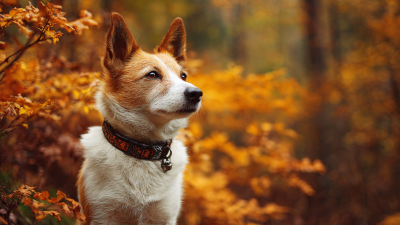
As we approach 2026, custom dog collars showcase exciting design trends that pet owners will love. Bright colors are making a comeback, with shades like coral and vibrant teal leading the pack. Patterns featuring florals, geometric shapes, and even fun cartoon designs are also trending. These collars are becoming more than just accessories; they’re a form of self-expression for both pets and their owners.
Materials play a crucial role in collar design. Eco-friendly options are gaining traction. Many collars now use recycled fabrics and sustainable materials. This shift reflects a growing awareness of environmental impact. Textures like soft neoprene and sturdy nylon provide comfort and durability. However, it’s essential to balance style with functionality. A beautiful collar should also be safe and comfortable for your dog.
Customization remains a key theme. Pet owners can now add names, contact information, and even unique artwork. This personal touch fosters a deeper connection. But it's easy to overlook the basics, like ensuring the collar is the right size. A collar that’s too loose can slip off, while one that’s too tight can cause discomfort. Reflecting on these factors ensures that we prioritize our pets' well-being while keeping them stylish.
Budgeting for Custom Dog Collars: Price Ranges and Quality Indicators
When it comes to custom dog collars, budgeting is essential. Prices can range significantly. Basic custom collars might cost around $15 to $30. High-end options can exceed $100. It's important to know what you’re paying for.
Quality indicators matter. Materials like nylon and leather vary in price and durability. A nylon collar is lighter and usually cheaper. Leather, on the other hand, offers longevity but at a higher cost. According to industry reports, about 40% of pet owners believe price reflects quality. This isn’t always true. Some affordable options can be surprisingly durable.
Consider features too. Personalized embroidery or high-tech tracking may raise the price. These extras can be appealing but aren’t necessary for every pet. Reflect on what your dog truly needs. Basic functionality often suffices. Many collars can look great without breaking the bank. Balancing budget and quality isn’t easy, but it's rewarding when you find the perfect collar for your furry friend.
2026 Top Custom Dog Collars: Price Ranges and Quality Indicators